





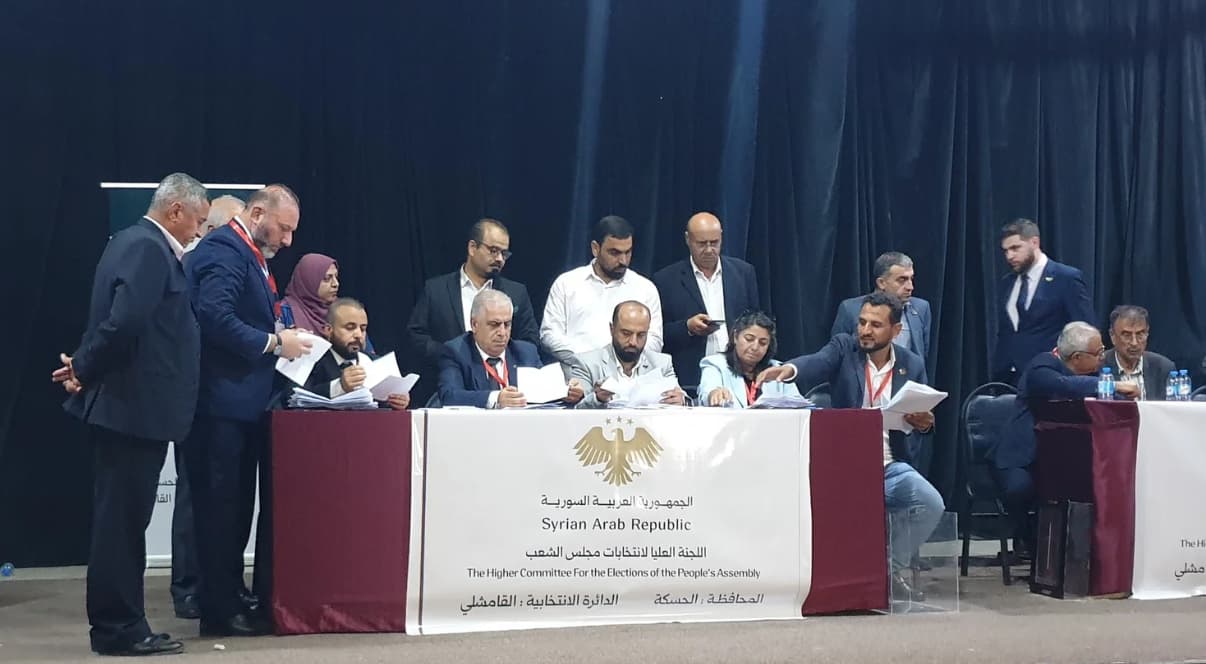
Syria’s transitional authorities presented recent parliamentary elections in the northeastern regions of Hasaka and Kobane as a major step toward rebuilding state institutions. However, the vote quickly became the subject of controversy after Kurdish political parties, candidates, and minority groups accused the government of manipulating the process and limiting genuine representation.
The elections were held as part of the formation of Syria’s new People’s Assembly during the transitional period. While authorities described the vote as inclusive, critics argued that the electoral system was tightly controlled and failed to reflect the country’s ethnic and political diversity.
Several Kurdish parties, led by the Democratic Union Party (PYD), boycotted the elections entirely. They argued that the voting mechanism marginalized Kurdish voters and reduced their political influence despite the Kurdish population’s significant presence in Syria. Kurdish representatives also criticized the fact that a large portion of parliamentary seats will ultimately be appointed directly by transitional President Ahmed al-Sharaa.
The electoral process itself faced accusations of lacking transparency. Critics said only a restricted group of approved individuals were allowed to vote and stand as candidates, limiting broader public participation. Some candidates alleged that preferred names had been selected in advance and that voters were pressured to support specific figures.
Hasaka at the center of Kurdish criticism
Hasaka Province, regarded as Syria’s main Kurdish stronghold, became the focal point of tensions surrounding the elections. Although Kurdish candidates secured several seats in the province, many Kurdish parties said the final distribution remained far below what they considered fair representation.
The region has long operated under a local governance structure shaped by Kurdish-led autonomous administrations, where different ethnic and religious communities traditionally held representation in local councils. Critics argue the new parliamentary system ignores that model and concentrates power in Damascus.
Concerns also extended beyond Kurdish groups. Christian and Armenian political organizations criticized the elections for failing to ensure meaningful minority representation. Representatives from these communities warned that important ethnic and religious groups were largely absent from candidate lists and parliamentary outcomes.
The controversy surrounding the elections has intensified debate over Syria’s political future and whether the transitional government can build trust among the country’s diverse communities. For many Kurdish and minority leaders, the vote highlighted continuing fears that Syria’s transition is being managed from above rather than through broad democratic participation.
