





An international team of archaeologists has uncovered evidence of a sophisticated ancient industrial center in southern Kurdistan, reshaping how historians view early urban organization and manufacturing in the ancient Near East.
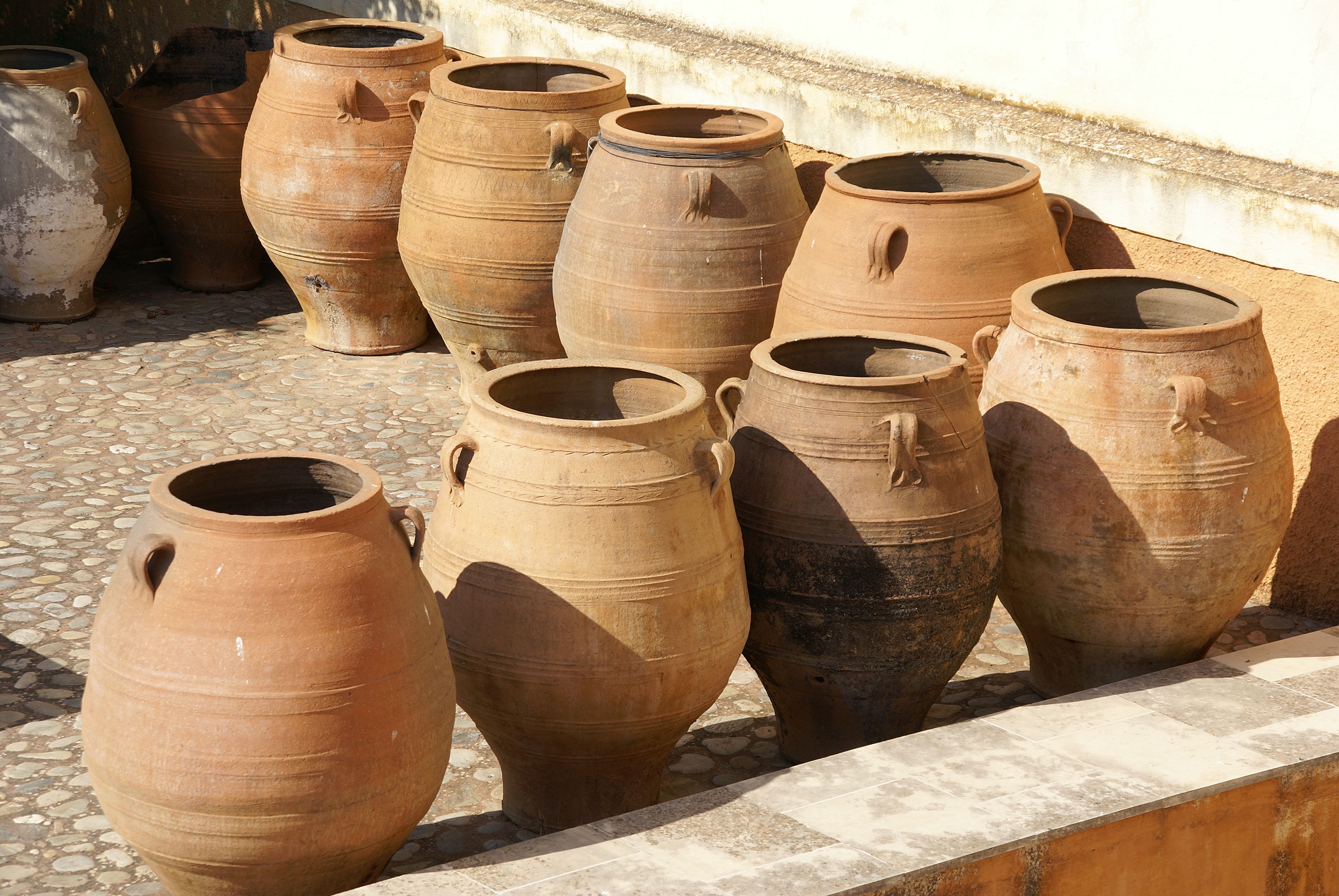
The breakthrough research, led by scholars Silvia Amicone and Karen Radner and published in the Journal of Archaeological Science, focuses on the Dinka Settlement Complex (DSC) in the Pishdar Plain. Investigations reveal that between 1200 and 800 BCE, local artisans operated a organized pottery manufacturing network powered by advanced pyrotechnology capable of sustained temperatures up to 900°C.
The findings demonstrate that pottery production in the region was not merely a local domestic chore, but a large-scale, controlled industry integrated into an organized urban economy.
The engineering behind the updraught kiln
To decode the ancient manufacturing methods, the research team employed a multi-disciplinary approach—combining archaeometry, geoarchaeology, and palaeobotany to examine raw clay sources, finished vessels, and the structural remains of the kilns.
At the site of Gird-i Bazar, a key area within the complex, excavations unearthed remarkably preserved updraught kilns. These double-chambered structures separated the burning fuel in a lower pit while guiding intense heat upward through a perforated floor into a secondary chamber holding the vessels.
Laboratory techniques including X-ray Diffraction (XRD) and Scanning Electron Microscopy (SEM) verified key details:
-
Controlled Firing: Vessels were fired at temperatures hovering near 900°C in controlled, oxygen-rich environments to ensure high structural integrity.
-
Fuel Economy: Local hardwood served as the primary heat source, supplemented by straw and chaff to maintain steady combustion.
Evidence of centralized urban planning
The study marks the first comprehensive investigation of an Iron Age industrial workshop in southern Kurdistan. Beyond the technical skill required to build and maintain these kilns, the uniformity in vessel design and tool distribution points toward structured management and professional specialization.
