






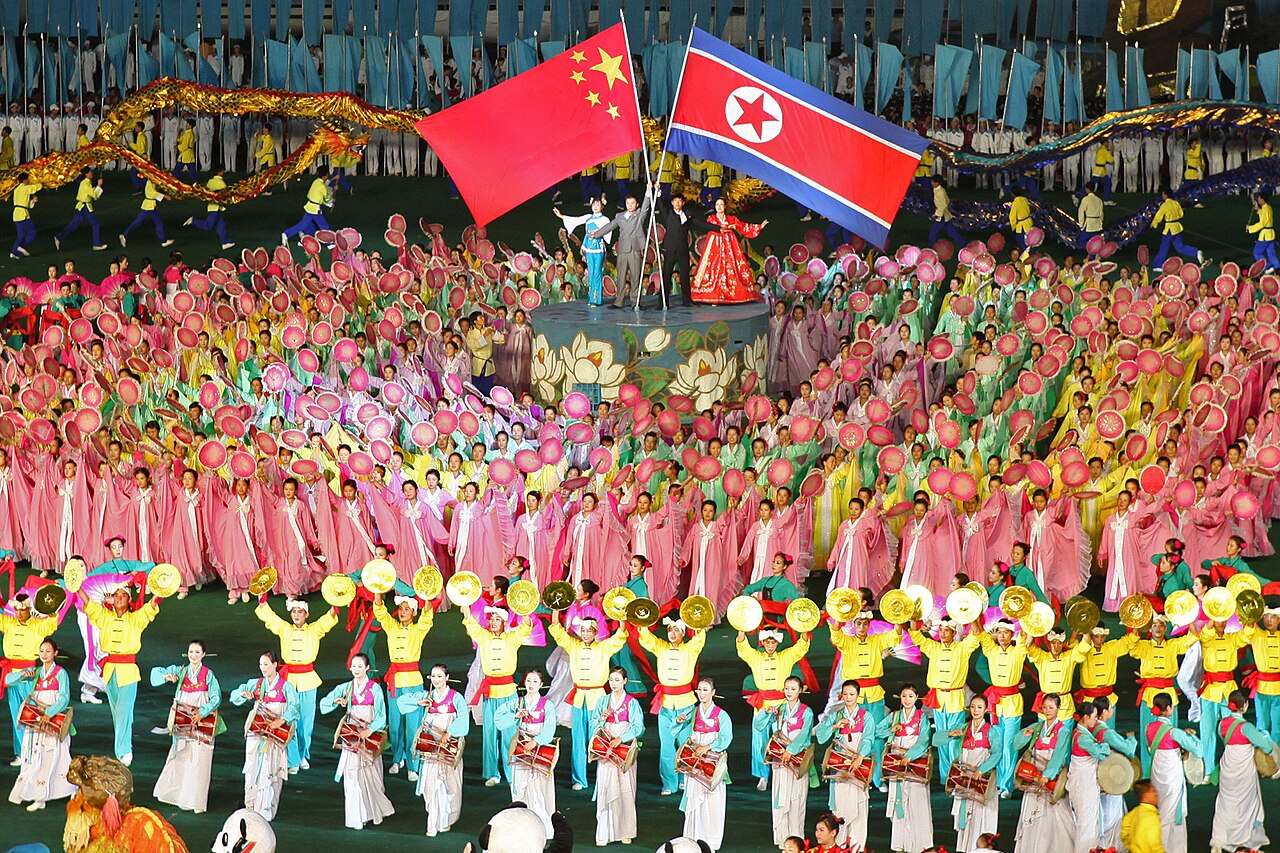
Chinese President Xi Jinping arrived in the North Korean capital, Pyongyang, today on his first visit to the country. The visit is widely seen as a diplomatic effort to shape the future of the Korean Peninsula at a time when North Korea is deepening its political, economic, and military ties with Russia.
Although official statements focus on friendship and cooperation, Xi’s visit is viewed as a strategic initiative that extends beyond conventional diplomacy. For decades, China has regarded North Korea as a crucial buffer state separating it from South Korea, a key ally of the United States.
Beijing wary of Moscow’s growing influence
Analysts say Beijing is increasingly concerned about the strengthening relationship between North Korea and Russia. Through direct engagement with North Korean leader Kim Jong-un, Xi is signalling that China remains Pyongyang’s most important ally. China continues to be North Korea’s largest trading partner, a position that is vital to the country’s economic stability and survival.
China’s broader geopolitical ambitions
Xi Jinping’s visit can also be seen as part of China’s broader effort to reinforce its leadership role across Asia. In recent years, both Russian and American leaders have travelled to Beijing, a reflection of China’s growing influence in global affairs. At the same time, this visit sends a message to both rivals and partners in the region that China intends to maintain its position as a leading geopolitical force on the Korean Peninsula.
Kim Jong-un welcomes closer ties with China
Kim Jong-un has welcomed the visit, viewing closer relations with China as an opportunity to expand North Korea’s economic prospects and strengthen its international legitimacy. Despite possessing nuclear weapons and maintaining a powerful military, North Korea remains heavily isolated due to sanctions imposed by the United States and its allies. By deepening diplomatic cooperation with Beijing, Kim hopes to ease this pressure and reduce the country’s international isolation.
