






France’s decision to expand voting rights in New Caledonia has reopened debate over the Pacific territory’s decolonization process, drawing criticism from Indigenous Kanak representatives and supporters of self-determination.
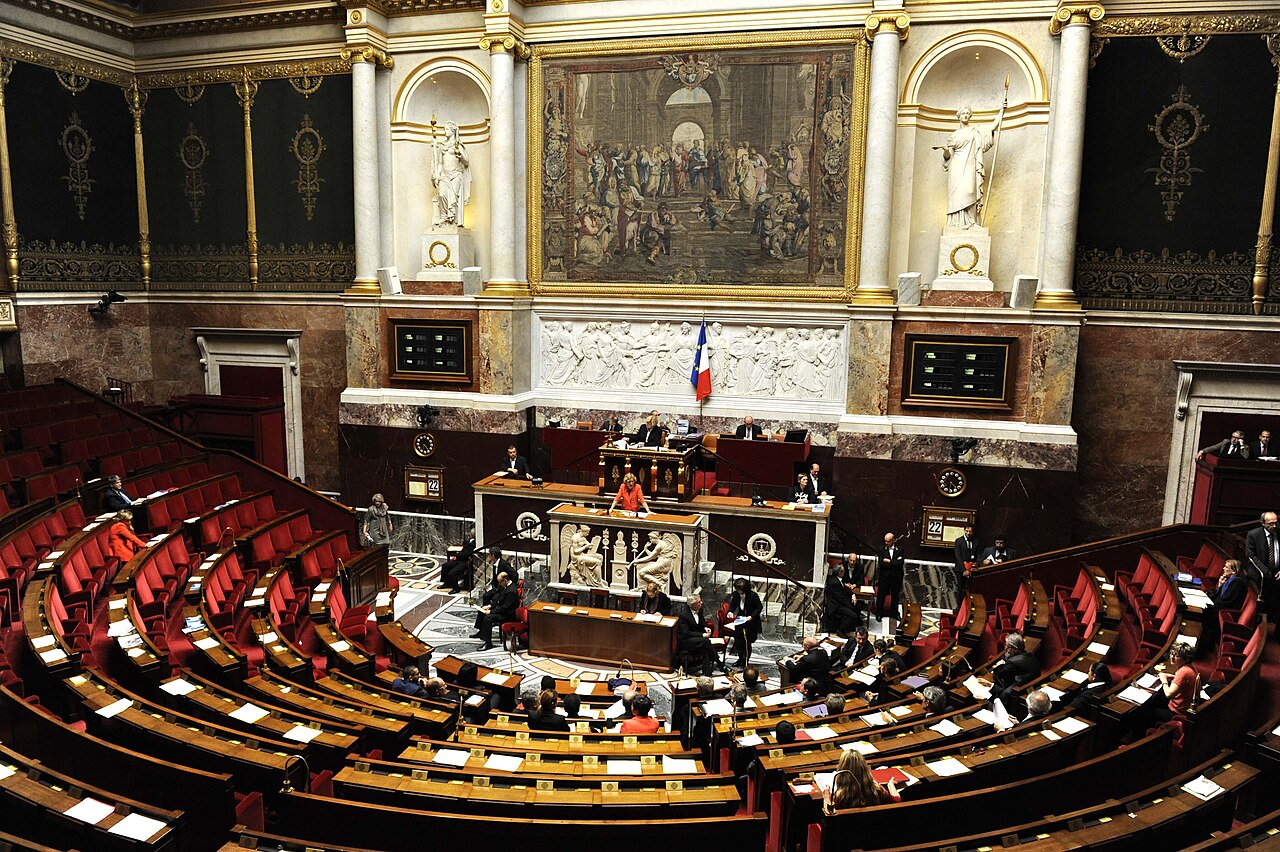
Residents of New Caledonia, a French-administered Pacific archipelago, are expected to head to the polls on June 28. Just days before the vote, the French Parliament approved a reform aimed at integrating people born on the island into the electoral system.
The Kanak and Socialist National Liberation Front (FLNKS), which represents much of the Indigenous Kanak population, strongly opposes the measure. The organization argues that the reform violates the 1998 Nouméa Accord, the agreement that established the framework for New Caledonia’s gradual decolonization and political transition.
Criticism has also come from French regionalist politicians. François Alfonsi, president of Régions et Peuples Solidaires, condemned the reform, warning that it could weaken the political representation of Indigenous Kanaks and deepen divisions between the Kanak community and the territory’s European-descended French-speaking population.
Supporters of the reform, however, argue that expanding voting rights reflects New Caledonia’s demographic realities and would encourage broader democratic participation. Opponents counter that any changes to electoral eligibility should only be considered after the completion of the territory’s self-determination process.
A long and complex decolonization process
New Caledonia, home to around 270,000 people, became a French colony in 1853. Following decades of political struggle and unrest, France and New Caledonian representatives signed the Nouméa Accord in 1998.
The agreement granted the territory a high degree of autonomy and outlined a pathway toward self-determination, including a series of independence referendums. While voters rejected independence in the first two referendums, pro-independence groups boycotted the third vote, arguing that the conditions were unfair.
After a period of relative calm, tensions erupted again in 2024 when widespread protests broke out over France’s proposed voting-rights reform. Paris sought to extend electoral rights to approximately 24,000 additional residents who were not part of the restricted electorate established under previous agreements.

The unrest left nine people dead and severely disrupted public services across the territory. Faced with escalating violence and political instability, the French government was ultimately forced to suspend the controversial reform.
The latest attempt to revisit electoral rules has once again highlighted the unresolved question of New Caledonia’s political future and the broader challenges of decolonization within the French Republic.
