







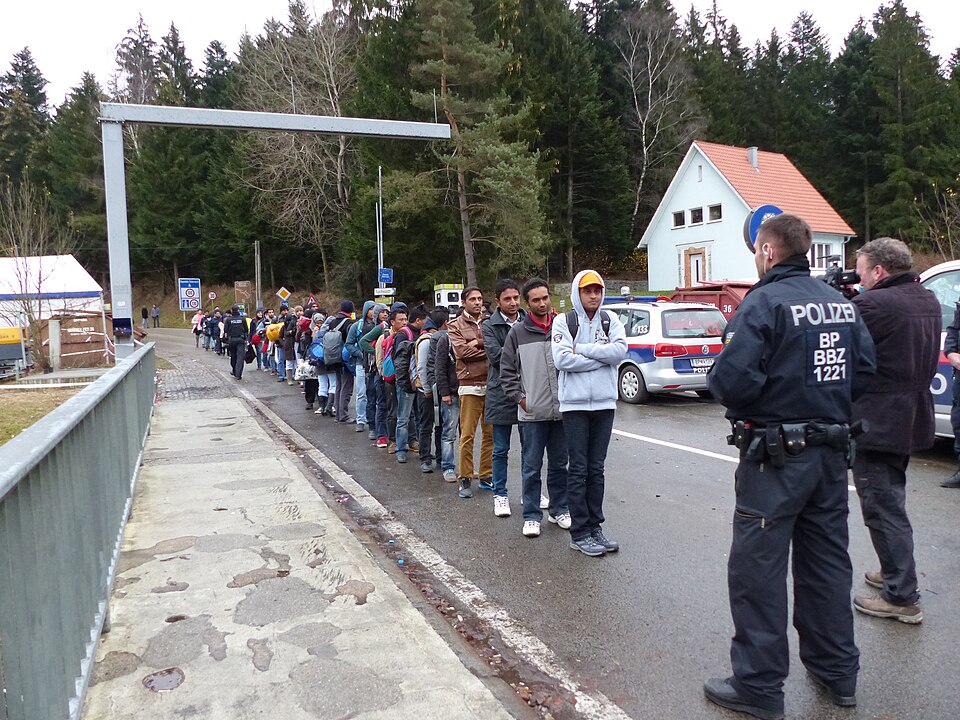
The European Union has launched its new Common European Asylum System (CEAS), one of the biggest reforms of EU migration policy in recent years. The new rules require asylum seekers to undergo an initial screening process at the EU’s external borders before their applications are fully reviewed.
People arriving from countries with low asylum approval rates will be placed in fast-track border procedures. These cases will be handled in special centers near EU borders, airports and ports. The goal is to process applications more quickly and return those who do not qualify for protection.
Who will face fast-track procedures?
The new border procedure mainly targets applicants from countries whose citizens rarely receive asylum protection in the EU. These include countries such as Morocco and Bangladesh, where most applications are rejected.
However, asylum seekers from countries with higher approval rates, including Afghanistan and Syria, will continue to follow the regular asylum process. The responsibility for handling their cases will still fall on the country where they first enter the EU.
Sharing responsibility
A key part of the reform is a new solidarity mechanism designed to help countries on the EU’s external borders, such as Italy, Greece and Malta, which receive large numbers of arrivals.
Under the system, other EU member states must either accept a share of asylum seekers or contribute €20,000 for each person they decline to relocate. The EU expects at least 30,000 asylum seekers per year to be covered by this arrangement.
Challenges still ahead
While EU leaders hope the new rules will create a more balanced and efficient asylum system, critics warn that faster procedures could lead to rushed decisions and longer periods of detention.
Many observers also believe that migration trends will continue to be influenced more by conflicts and political developments in countries of origin than by changes in European legislation. As CEAS begins its implementation, its real impact will become clearer in the coming years.
