



“Enjoy your language and living through your language.”
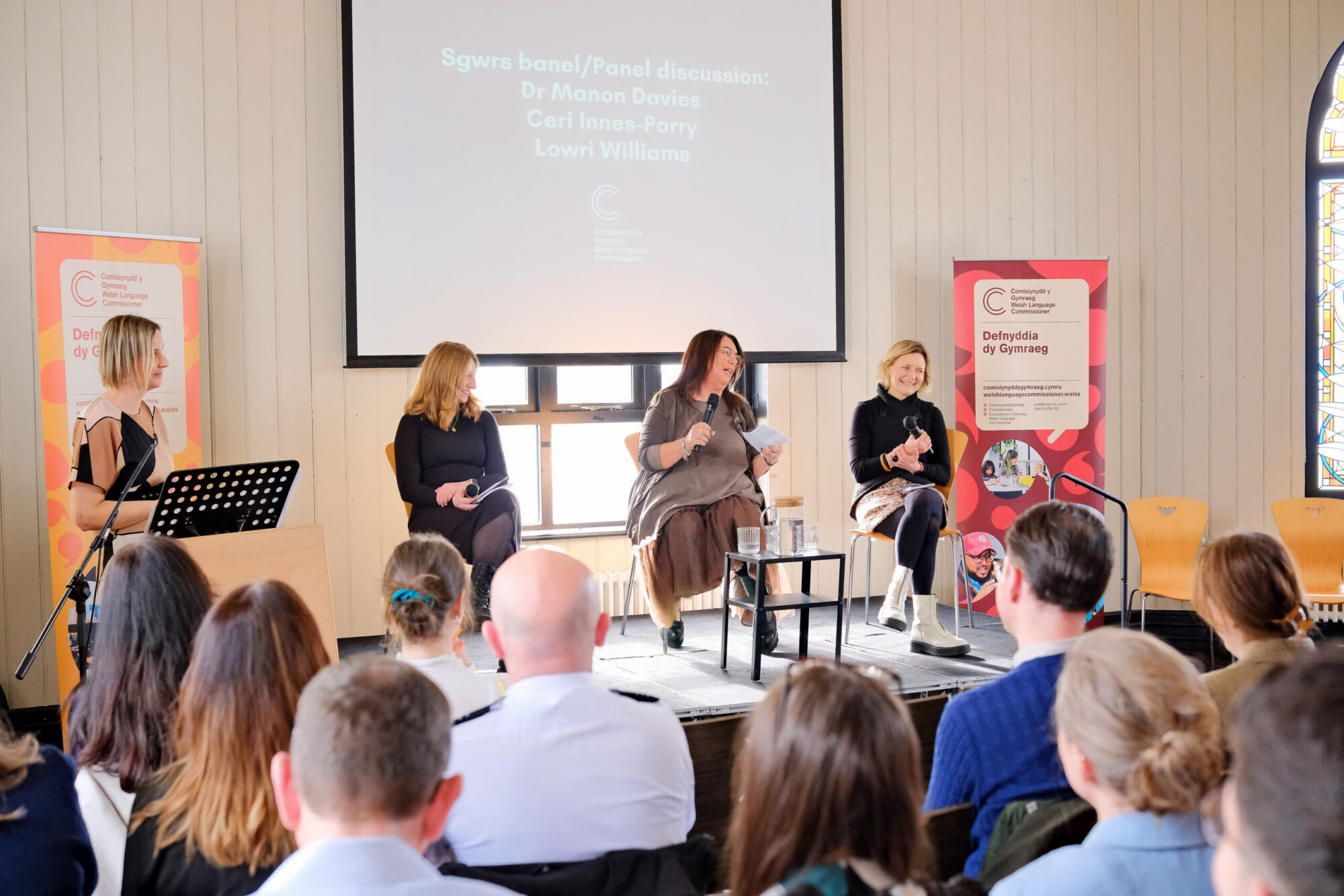
Dr Eleri James, Senior Research and Place-names Officer at the Welsh Language Commissioner in Wales, has advised Kurdish language activists to pursue legal recognition and build the capacity to implement it at the same time.
Speaking in an interview with Infowelat, James said recognition without trained teachers, educational materials and institutions “may remain symbolic,” while community work without legal protection can be vulnerable to political change. She stressed that Wales’s model cannot simply be transferred to Kurdish contexts, but that progress is most durable when legislation, education, public services and community planning develop together.
James reviewed 33 years of Welsh language law. The Welsh Language Act 1993 established equal treatment of Welsh and English in public business but had weak enforcement. The Welsh Language (Wales) Measure 2011 gave Welsh official status, created the Commissioner’s office and introduced enforceable standards for public bodies.
Despite this legal framework, the 2021 Census recorded 538,296 Welsh speakers aged three and over, or 17.8% of that population. That was 23,720 fewer than in 2011 and the lowest percentage ever recorded. The Welsh Government’s goal is one million speakers by 2050. James said the target remains achievable but not with current approaches.
On education, she said workforce training must begin before, or at least alongside, the expansion of immersion provision, and that success should be measured by whether learners leave school able and willing to use the language, not by enrolment alone.
She ended with a message for Kurdish activists: “Enjoy your language and living through your language.”
