





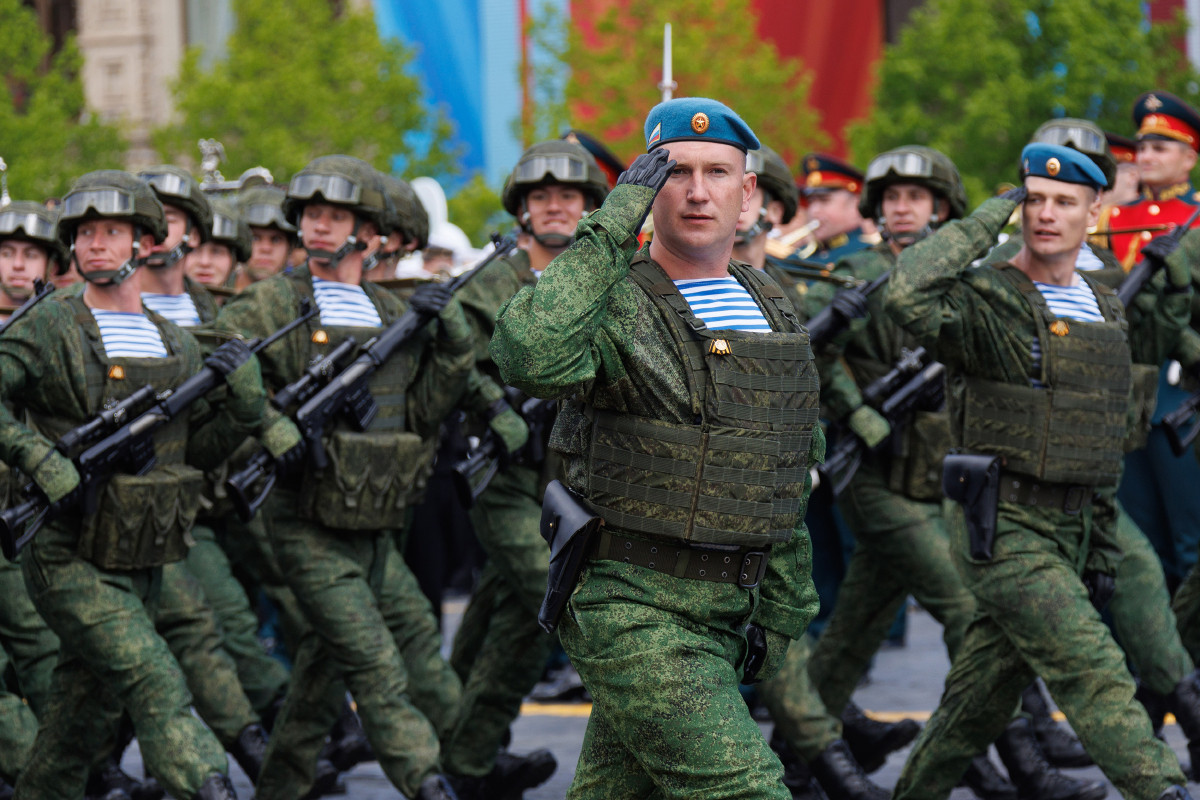
According to the researchers, interventions by the United States, Russia and Israel illustrate how major powers increasingly act outside established international norms. The report also points to the regional power projections of countries including Turkey, Pakistan and Ethiopia, as well as Gulf monarchies, as examples of a broader trend in which states seek to expand influence through military and political means.
The report notes that the period between 2021 and 2024 was the most violent since the end of the Cold War. Researchers recorded 61 armed conflicts involving at least one state actor across 36 countries. At the same time, the number of forcibly displaced people worldwide surpassed 120 million by April 2025.
Among regional actors, Turkey, Saudi Arabia, the United Arab Emirates and Qatar receive particular attention. The report argues that these countries often play dual roles as both mediators and participants in conflicts, blurring the line between peace efforts and geopolitical competition. This dynamic, researchers warn, can complicate negotiations and hinder lasting conflict resolution.
UN crisis and new security challenges
The report says the United Nations is facing one of the most serious crises in its history. Rivalries among major powers have weakened decision-making, particularly in the Security Council, while funding cuts threaten the organization’s effectiveness. Nevertheless, the researchers stress that no viable alternative to the UN currently exists and urge governments, including Germany’s, to support reforms and stable financing.
The report also highlights the impact of emerging technologies on warfare. Artificial intelligence, autonomous systems, cyber capabilities and biotechnology are transforming military competition and often outpacing existing arms-control mechanisms. While these technologies present new risks, researchers argue that coordinated international regulation could help strengthen global security.
