





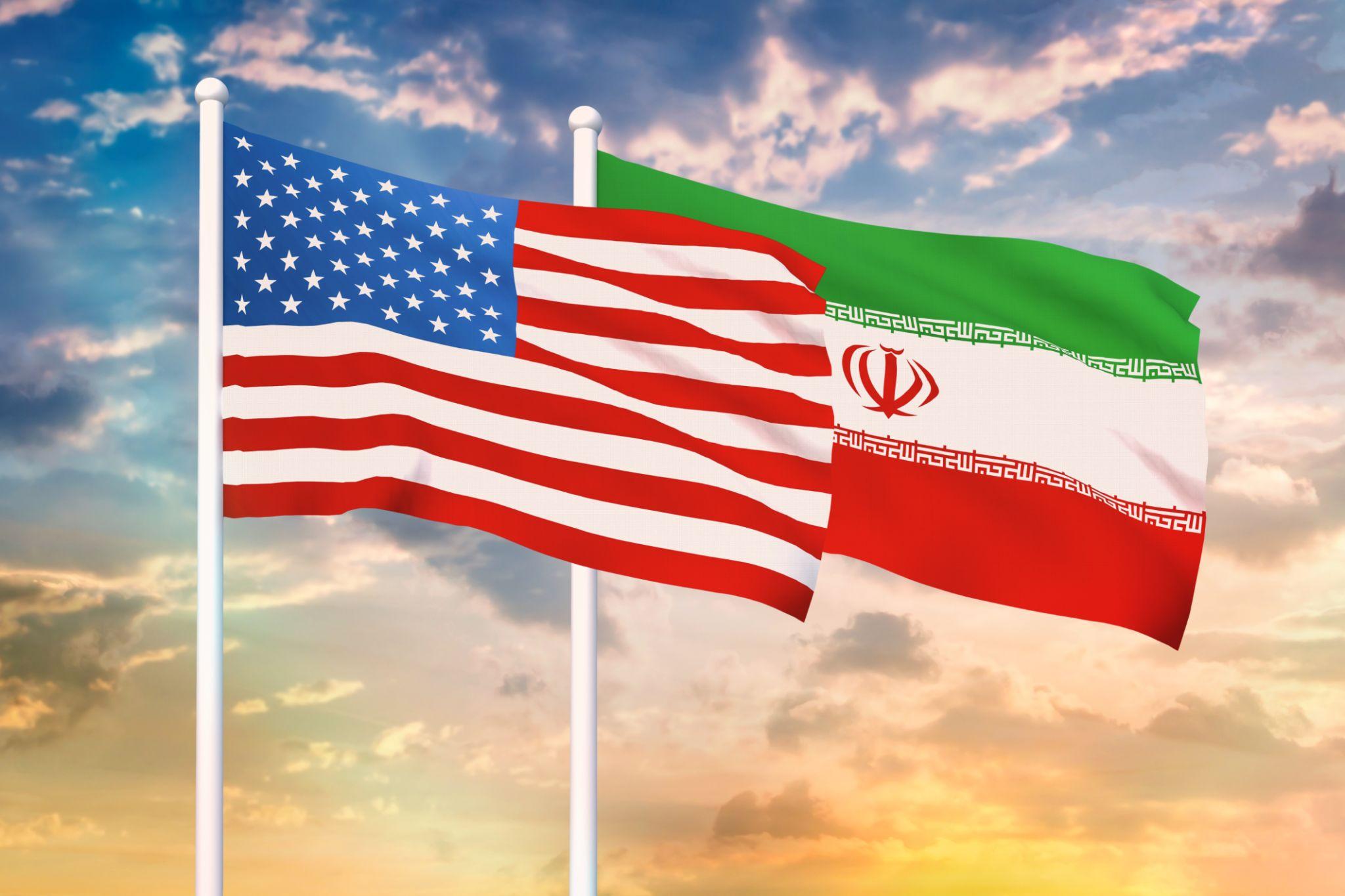
Donald Trump has claimed that U.S. envoys are engaged in negotiations with a senior Iranian official and that both sides have already agreed on several points toward a potential ceasefire. According to the U.S. president, Iran is “desperate” for a deal to end nearly four weeks of fighting that began on 28 February following U.S. and Israeli air strikes.
However, Iran’s foreign minister Abbas Araghchi strongly denied that formal talks are underway, stating that Tehran “does not intend” to negotiate directly with Washington. He acknowledged that proposals have been transmitted through mediators, including a reported 15-point U.S. plan, but emphasized that Iran has prepared its own five-point counter-proposal.
Diplomatic channels appear to remain active
The conflicting messages come as the humanitarian and economic consequences of the conflict deepen. Fuel shortages and supply disruptions have spread globally, prompting governments and companies to seek ways to limit the broader impact of the crisis.
The White House indicated that the U.S. remains open to diplomacy but warned that Washington is prepared to intensify pressure if Iran refuses to accept terms. Meanwhile, Tehran has widened hostilities by targeting American allies in the Gulf, raising concerns that the conflict could further destabilize the region.
Despite public disagreement over the existence of negotiations, diplomatic channels appear to remain active behind the scenes, suggesting that both sides may still be exploring a path toward de-escalation.
