






A lifelong mission to rescue and preserve Kurdish cultural heritage from state-sponsored erasure is facing its gravest threat yet—not from geopolitical conflict, but from a corporate real estate decision in Sweden.
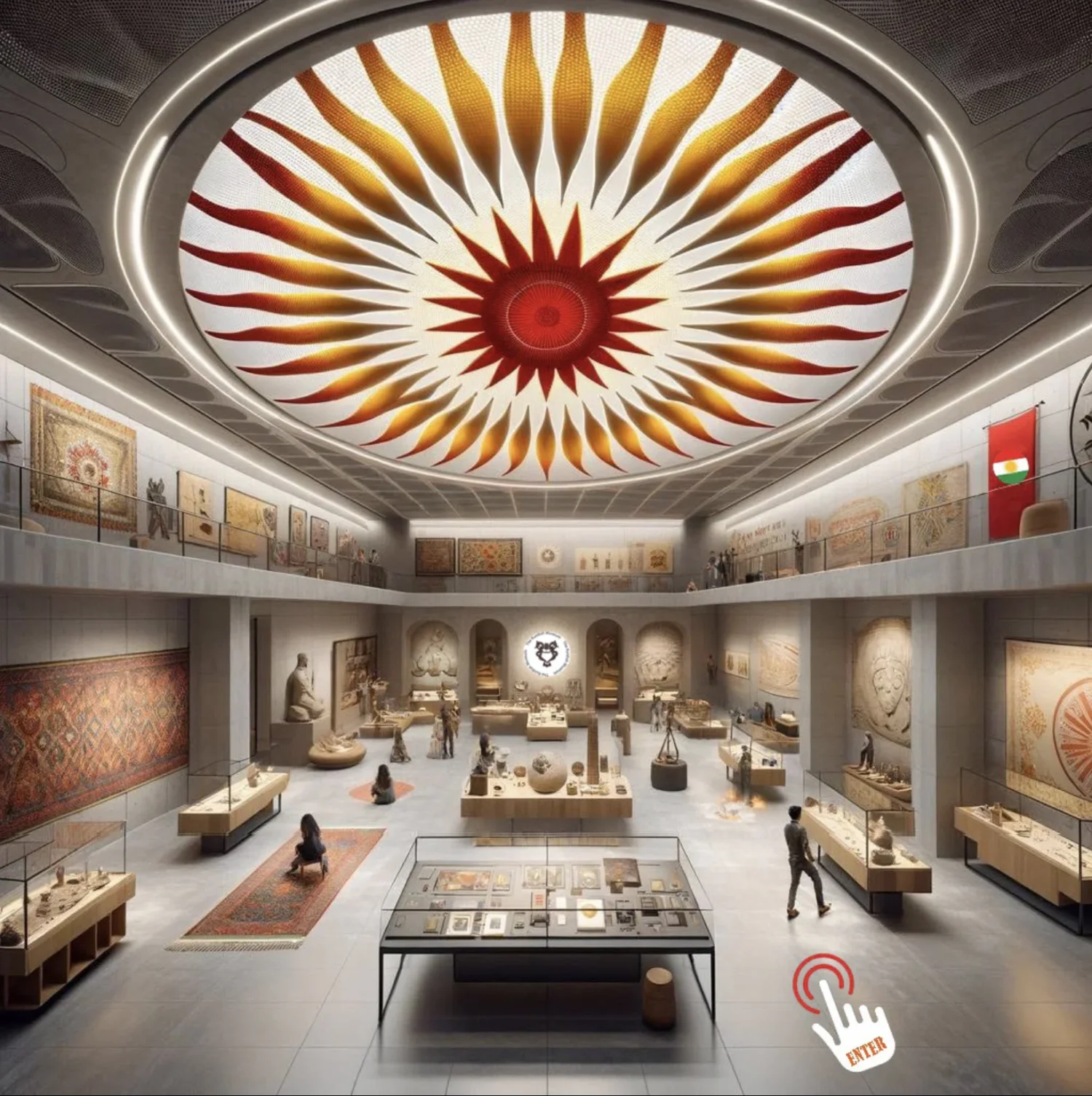
The Kurdish Exile Museum (Stiftelsen Kurdiskt Bibliotek och Museum), widely recognized as the most comprehensive archive of Kurdish literature and historical artifacts outside of the Middle East, has been shuttered. Following a sudden change in property ownership, the museum’s founder, Goran Candan, was handed a swift three-month eviction notice.
With no logistical or financial assistance from the Kurdistan Regional Government (KRG) or major political organizations, the monumental task of relocating the archive fell entirely on the shoulders of the retired founder. Over three months, Candan and a handful of hired workers packed seven tons of irreplaceable heritage into 800 cardboard boxes. The entire collection has now been moved into a commercial storage unit, hidden from researchers, descendants, and the public.
“As you can see, I did not receive support from our own government or political parties, which unfortunately did not surprise me,” Candan stated, highlighting the precarious financial reality of keeping the storage unit rented month-to-month without sustained external funding.
For stateless nations like the Kurds, whose culture has historically faced forced assimilation and linguicide by regional powers, archives are not just collections—they are political battlegrounds. The displacement of this museum underscores a systemic vulnerability: when a people lack a sovereign state to institutionalize their history, the survival of their national narrative relies entirely on private individuals. If emergency funding is not secured, this priceless anchor of identity risks being quietly ruined by time and financial strain.
Four decades of resistance
The roots of the museum trace back to 1987, when Goran Candan founded SARA Publishing & Distribution in Stockholm. Candan, who fled his hometown of Amed (Diyarbakır)—the unofficial cultural capital of Kurds in Turkey—dedicated his life to fighting the criminalization of his mother tongue. Under the pen name Bavê Barzan, he became a prolific writer and translator of Kurdish folklore.
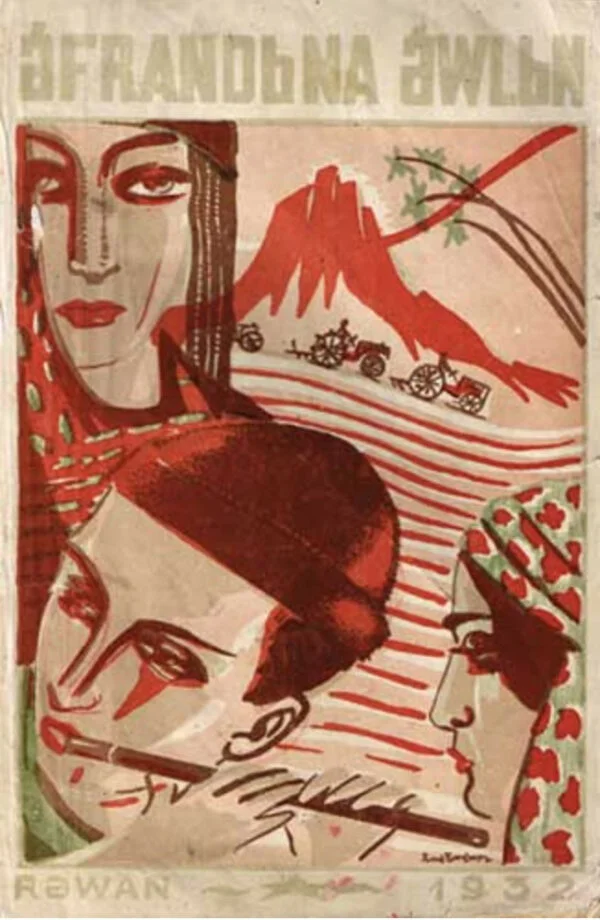
By 1988, SARA had become the premier global supplier of Kurdish literature. For decades, Candan personally collaborated with world-renowned institutions, including the U.S. Library of Congress, Harvard University’s Widener Library, and the China National Library, helping them establish their very first Kurdish collections.
In October 2007, looking to preserve tangible history alongside literature, Candan transformed the publishing house into the Foundation for the Kurdish Library and Museum.
Among the rare treasures now trapped in storage are:
Medieval Currency: 9th and 12th-century coins minted by independent Kurdish dynasties, including the Marvanids, Shaddadids, and Ayyubids, proving historical sovereignty.
Cartographic Evidence: Pre-20th-century maps (such as an 1892 map of Kurdistan) showing a unified region before modern borders divided the population.
Multimedia Folklore: Thousands of vintage LPs, cassettes, VHS tapes, and regional garments documenting a century of Kurdish resistance and daily life.
While the modern diaspora sees a surge in Kurdish literacy and youth engagement, the physical proof of their ancestors’ survival remains locked in boxes, waiting for a permanent home.
Save the Kurdish Exile Museum!
In order to survive, the Kurdish Exile Museum has launched an emergency fundraising campaign on its website in three languages (English, Kurdish, and Turkish). Those who wish to support can send their donations directly to the museum’s bank accounts shared on the website. The emergency appeal reads:
“If you do not support this cultural institution, neither this institution nor this website will survive, as the rent for the museum venue has doubled and we can no longer afford this high rent. Our/your museum is waiting for your financial contributions so that it can continue to exist.”
