





Key points
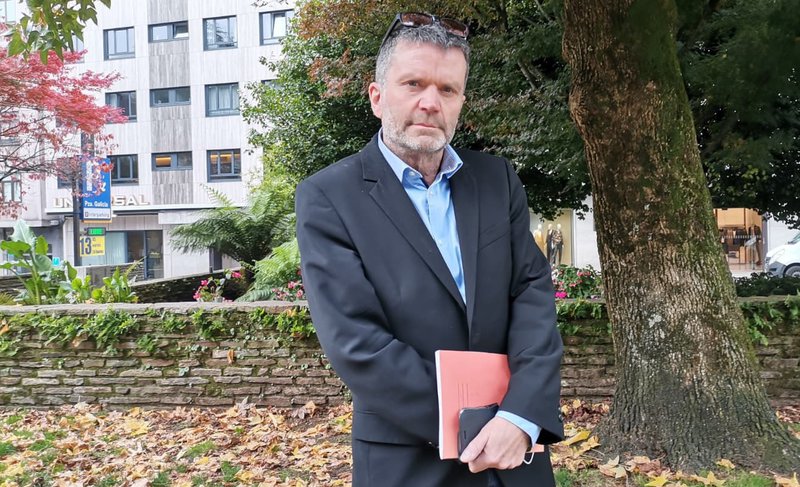
- Davyth Hicks, General Secretary of the European Linguistic Equality Network (ELEN), argues the European Union has a legal and political duty to protect Catalan.
- Official EU recognition would strengthen linguistic rights rather than create a new privilege.
- Hicks rejects arguments that Catalan is solely an internal Spanish issue.
- Recognition would reinforce Europe’s commitment to cultural and linguistic diversity.
EU recognition seen as a matter of rights
The European Union has both a legal and political responsibility to protect the Catalan language, according to Davyth Hicks, General Secretary of the European Linguistic Equality Network, in an interview with the Catalan newspaper Avui (El Punt Avui). The interview comes as debate over granting Catalan official EU status continues among member states.
Hicks argues that Catalan should not be viewed simply as a regional language issue but as part of the European Union’s broader commitment to safeguarding cultural and linguistic diversity. According to Hicks, “the EU has an obligation to protect Catalan,” stressing that multilingualism is one of the Union’s founding principles rather than an optional policy.
Official status would strengthen existing rights
Hicks explains that making Catalan an official EU language would not create special privileges but would guarantee equal treatment for millions of speakers in their dealings with European institutions.
He notes that the EU already protects many smaller official languages and argues that Catalan, despite being spoken by millions of citizens, remains in an anomalous position because Spain did not request its inclusion when it joined the European Communities in 1986.
According to Hicks, this historical circumstance should not prevent the language from obtaining full recognition today.
Diversity as a European value
Hicks also challenges claims that recognition of Catalan could trigger legal or political complications across Europe. Instead, he argues that protecting Catalan is consistent with the EU’s legal framework and with its long-standing commitment to respecting Europe’s linguistic diversity.
“The European Union cannot defend diversity while ignoring one of Europe’s largest non-official languages,” Hicks says, adding that the issue concerns the rights of European citizens rather than domestic politics.
Broader significance
Hicks presents the debate over Catalan’s official status as a test of the European Union’s credibility in defending minority and regional languages. He argues that extending official recognition would reinforce the EU’s image as an institution committed to equality, cultural pluralism and fundamental rights.
The comments come as discussions continue among EU member states over Spain’s proposal to grant official EU status to Catalan, Basque and Galician. While several governments have expressed legal and financial concerns, supporters argue that recognising Catalan would bring the language into line with the EU’s stated commitment to multilingualism and equal treatment of its citizens.
