








By Yadegar Arjumandi
Before written language emerged, music existed. Before books were printed, songs were sung. And long before history was recorded with a pen, tales and momentous events were conveyed across generations through sounds and melodies. Thus, music is one of humanity’s oldest languages. Archaeology reveals that flutes made from animal bones date back 40,000 years, having been companions to mankind since the dawn of history. In the civilizations of Mesopotamia, Egypt, ancient Greece, and the Near East, music was always regarded as an integral part of education and philosophy. Platon and Aristotle believed that music could shape human character.
For the Kurds, this characteristic runs even deeper. Music, for them, has never been merely art. Dengbêjî, kilam, lawik, and heyamok played the role of a living archive in protecting their language and social memories. Before many historical events, wars, displacements, and bans were recorded in writing, they continued to live within songs. This vibrant heritage serves as a cultural map, preserving the names of cities, mountains, heroes, and details of daily life.
Renowned scholar Alan P. Merriam, in his seminal work “The Anthropology of Music,” highlights that music originates directly from the heart of a society and cannot be separated from its culture. This truth is particularly resonant for Kurdish music. During times when writing and broadcasting in their mother tongue were prohibited, Dengbêjî became the canopy under which the Kurdish language and history were shielded from assimilation. Within every melody, not just a rhythm but Kurdish ethics, values, and life philosophy were intertwined.
The impact of music extends beyond the societal level; it holds significant influence on the human psyche. Science today confirms that listening to music reduces stress levels and calms the mind. Neuroscientist Daniel J. Levitin, in his book “This Is Your Brain on Music,” indicates that music increases dopamine production in the brain, fostering hope and motivation. This therapeutic quality of music serves as a healing balm for a community that has experienced historical trauma and displacement. It revitalizes lost memories and grants people the strength to continue living.
Furthermore, music stands as a corner pillar in children’s education. Learning musical instruments instills discipline, patience, and responsibility while enhancing their memory. For Kurdish children, particularly those growing up in the diaspora (such as in Switzerland, Germany, Sweden, and other European countries), music becomes a golden bridge that connects them to their language and homeland. In cultural centers across the diaspora, when a child learns to play the tembûr, erbane, or flute, they are not just acquiring an art; they are reaching out to their cultural roots.
For the Kurdish people, music is not just sound and song; it is identity, collective memory, and the preservation of this art is the safeguarding of their existence on this earth.
References
- Merriam, A. P. (1964). The Anthropology of Music.
- DeNora, T. (2000). Music in Everyday Life.
- Levitin, D. J. (2006). This Is Your Brain on Music.
- UNESCO. (2003). Convention for the Safeguarding of the Intangible Cultural Heritage.
Kurdîya nûçeyê di vê lînkê de ye
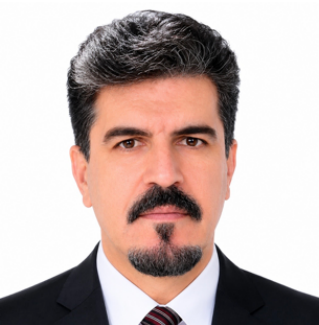 About Yadegar Arjumandi