






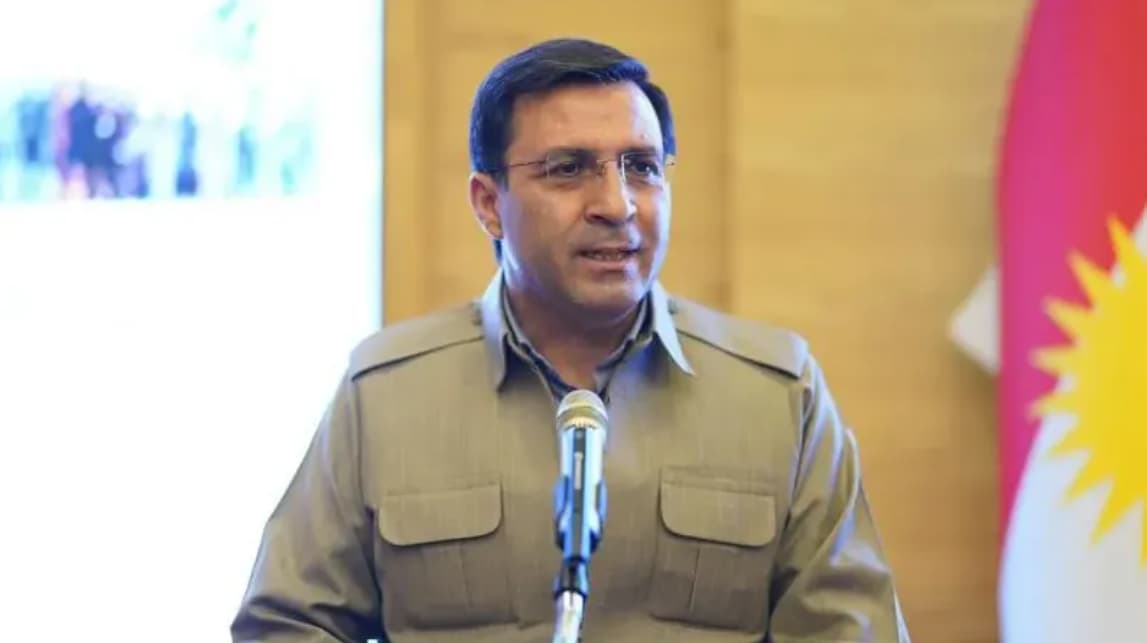
Mihemed Salih Qadiri, a member of the Central Executive Committee of the Kurdistan Democratic Party of Iran (KDP-I) and the party’s representative in Hewlêr, said Kurdish political forces in Iran do not pose a threat to Turkey.
Speaking to RupelNews, Qadiri rejected claims circulating in some Turkish circles that Kurdish organizations in Iran could destabilize the region.
According to him, the Kurdish National and Freedom Movement aims for equality and self-determination rather than confrontation with neighboring states. He added that Kurdish political actors want to build friendly political and economic relations with Turkey and other regional countries.
Goal: democratic federal system in Iran
Qadiri highlighted that six Kurdish parties recently formed an alliance with two main objectives: defending the Kurdish people’s right to self-determination and promoting a democratic federal structure in Iran.
He said the alliance seeks constitutional guarantees for the rights of all peoples in Iran, including Kurds, Persians, Azeris, Arabs, Turkmen and Baloch. The initiative, he noted, has strengthened Kurdish unity and could play a role in shaping Iran’s future political structure.
Rejects claims of foreign manipulation
Qadiri also dismissed allegations that the United States or Israel are preparing Kurdish forces for war against Iran, describing such accusations as “baseless slander.”
He argued that Kurdish political movements have pursued their struggle for rights for decades and that their demands are legitimate under international law.
Regional relations and future plans
The KDP-I official said Kurdish groups maintain relations with various political actors in the region and stressed that Kurdish-Azerbaijani relations remain friendly despite speculation about potential tensions.
Looking ahead, Qadiri said the Kurdish alliance is preparing for possible political changes in Iran, including plans for political representation and governance structures if the current system collapses.
He added that Kurdish unity will likely grow stronger in the coming period as political developments reshape the region.
