






A recent video published by the HistoryInTens highlights the enduring struggle of the Kurdish people—one of the largest stateless nations in the world—tracing their history from the aftermath of World War I to present-day conflicts.
Following the Treaty of Sèvres, Kurds were promised a path toward autonomy. That promise disappeared just three years later with the Treaty of Lausanne, which redrew borders and left Kurdish populations divided across Turkey, Iraq, Syria, and Iran.
Over the decades, each state has suppressed Kurdish identity in different ways—from language bans in Turkey to statelessness in Syria and violent crackdowns in Iran and Iraq. The video recounts the Anfal campaign under Saddam Hussein, widely recognized as a genocide, including the devastating Halabja chemical attack.
Resilience in war and politics
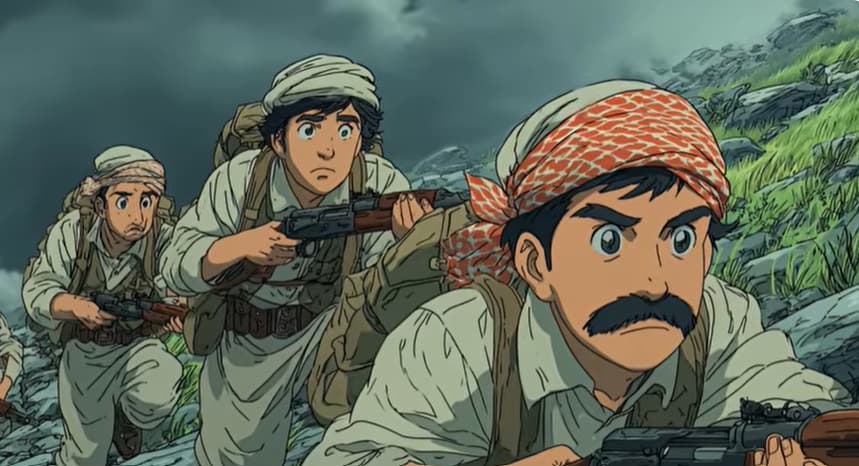
Despite decades of marginalization, Kurdish forces such as the Peshmerga and YPG played a decisive role in defeating ISIS, suffering thousands of casualties in the process.
The video also notes ongoing geopolitical tensions, including Turkey’s conflict with the PKK and shifting international alliances that continue to shape Kurdish prospects for autonomy.
