





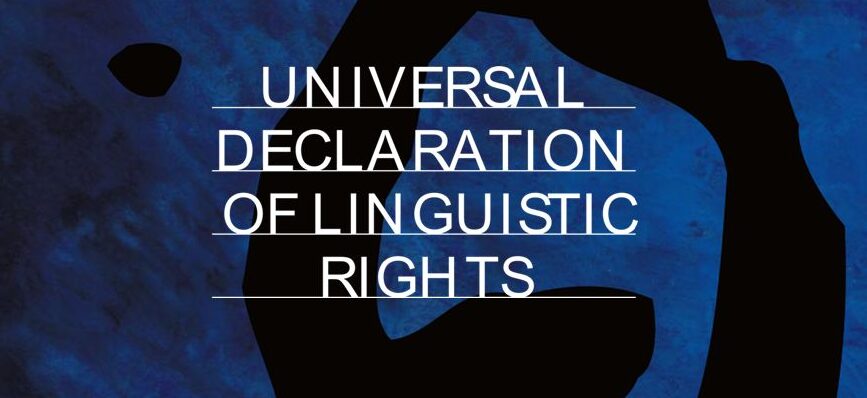
In 1996, a landmark international document known as the Universal Declaration of Linguistic Rights—also called the Barcelona Declaration—set out to defend the rights of language communities worldwide, with a particular focus on endangered languages.
Drafted by organizations including the International PEN Club, the declaration emphasizes that linguistic diversity is a fundamental part of cultural identity and human rights. While it was presented to UNESCO, it has yet to receive formal approval, limiting its legal impact but not its global influence.
History of drafting the declaration
The declaration was adopted at the World Conference on Linguistic Rights held in Barcelona from June 6 to 9, 1996. The event brought together experts, NGOs, and cultural organizations to address growing concerns over language loss and inequality.
Despite strong backing from civil society, the declaration remains a non-binding document. Nevertheless, it continues to serve as a reference point for policymakers, educators, and activists working to preserve linguistic diversity.
Content
The declaration outlines a broad framework of linguistic rights, asserting equality for all languages and their speakers. It highlights the right to use one’s language in public administration, education, media, cultural expression, and socioeconomic activities.
It also stresses the importance of allowing individuals and communities to maintain their linguistic identity in everyday life, including naming practices and access to communication technologies.
Additionally, the document calls on governments and international bodies, including the United Nations, to take active steps in protecting and promoting these rights. It proposes the creation of advisory bodies to monitor and support linguistic rights worldwide.
Kurdiya nivîsarê di vê lînkê de ye
