





In a report for DW English, Sertan Sanderson examines Turkey’s latest move to begin offshore oil drilling in Somalia, marking a significant step in the two nations’ deepening partnership. Turkey’s exploration vessel has arrived off Mogadishu, aiming to tap vast reserves buried deep beneath the Indian Ocean.
Somali officials have framed the project as a historic opportunity. With estimates suggesting billions of barrels of untapped oil and gas, leaders argue the initiative could transform the country’s fragile economy, reduce reliance on imported fuel, and fund long-awaited infrastructure.
Yet the scale and technical complexity of the project underscores a key imbalance: Somalia lacks the means to exploit these resources independently, leaving it heavily reliant on Turkey’s expertise and financing.
From aid to leverage
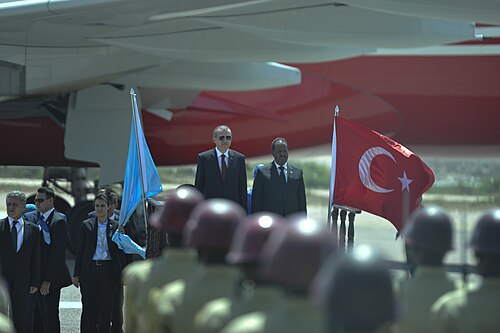
As Sanderson notes in DW’s coverage, Turkey’s role in Somalia did not begin with oil. Since 2011, Ankara has expanded its footprint through humanitarian aid, infrastructure projects, and military cooperation. It now operates its largest overseas military base in the country and plays a central role in training Somali forces.
While this engagement is often portrayed as partnership, critics argue it has allowed Turkey to steadily consolidate influence over Somalia’s key institutions and economic assets. The oil deal, they warn, may further entrench Ankara’s leverage.
For Turkey, the incentives are clear: reducing dependence on volatile energy suppliers while strengthening its geopolitical reach in East Africa and along vital maritime routes.
Promise or growing dependency?
While Somali leaders and many citizens remain optimistic, Sanderson highlights increasing unease among analysts. Some describe the arrangement as mutually beneficial, but others question whether Somalia risks trading long-term sovereignty for short-term gains.
Concerns focus on how revenues will be managed and whether Somalia will retain meaningful control over its natural resources. With Turkey already deeply embedded in sectors ranging from security to infrastructure, critics warn that oil could become another channel of influence rather than a path to independence.
As DW reports, the outcome will depend not only on oil reserves beneath the seabed, but on whether Somalia can avoid becoming structurally dependent on a single external power.
