






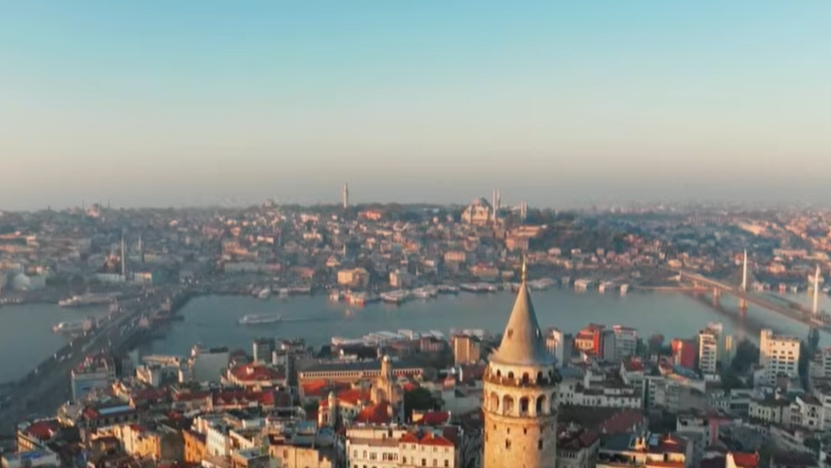
The ARTE documentary “Istanbul la multiculturelle sous la plume” offers a striking portrait of Istanbul as it once was: a thriving, cosmopolitan hub at the end of the Ottoman Empire. Through the work of novelist Ahmet Altan, the film reconstructs a city where Muslims, Christians, Jews, and Levantine communities coexisted, particularly in districts like Beyoğlu.
Yet beneath this vibrant past lies a more troubling narrative. The documentary suggests that this diversity, once central to Istanbul’s identity, has been steadily eroded. The fall of the empire, followed by the rise of the Turkish Republic under Mustafa Kemal Atatürk, marked a shift toward a more homogeneous national identity.
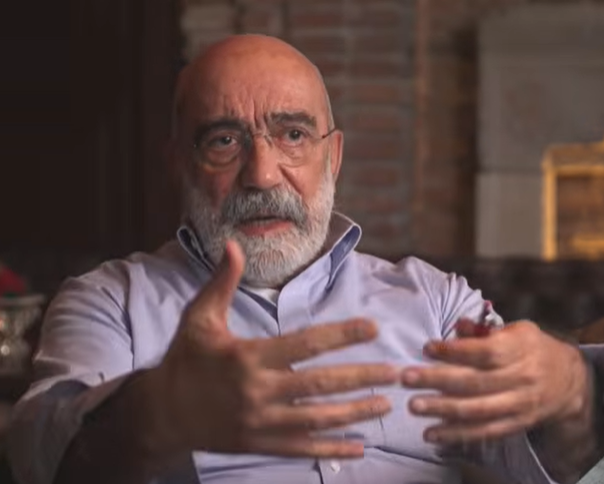
Literature as warning
Altan’s novels revisit the political turmoil of the early 20th century, from the authoritarian rule of Abdülhamid II to the revolution led by the Young Turks. But beyond history, his work reads as a warning: the loss of multiculturalism is not just a relic of the past—it is an ongoing process.
The documentary draws a parallel with contemporary Turkey, where debates over identity, memory, and dissent remain deeply contentious. Altan’s own imprisonment after the 2016 coup attempt underscores the fragile space for critical voices.
In revisiting Istanbul’s pluralistic past, the film raises a pressing question: can the city reclaim its multicultural spirit, or is it slowly disappearing under political and social pressure?
