




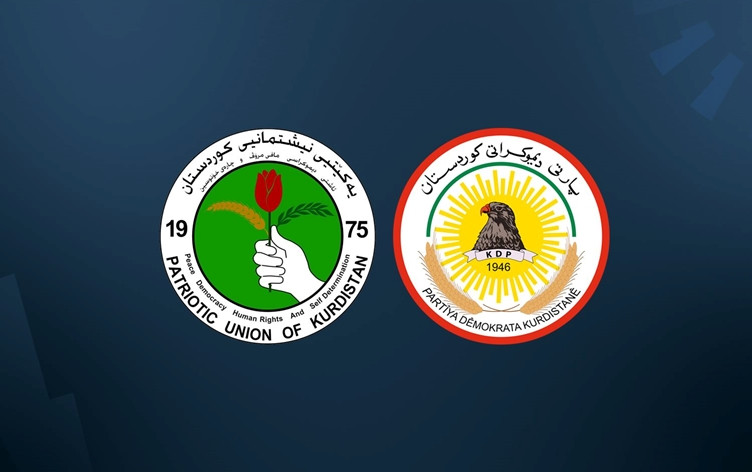
On Sunday, Trump spoke separately with Masoud Barzani, head of the Kurdistan Democratic Party (KDP), and Bafel Talabani, leader of the Patriotic Union of Kurdistan (PUK), the two dominant factions within Iraq’s Kurdistan Regional Government (KRG). The conversations reportedly focused on the ongoing U.S.-Israel war with Iran and possible areas of coordination. Talabani later confirmed the contact in a party statement, saying Trump clarified U.S. objectives in the conflict.
On Tuesday, Trump also spoke with Mustafa Hijri, president of the Democratic Party of Iranian Kurdistan (KDPI), an Iranian Kurdish opposition group based in northern Iraq.
The outreach comes as Washington explores options to increase pressure on Tehran. Iraq’s semi-autonomous Kurdistan region borders western Iran and hosts several Iranian Kurdish opposition groups, some with armed wings and thousands of experienced fighters. Many of these forces previously cooperated with U.S. troops in the fight against ISIS, giving them established ties to American military and intelligence officials.
According to reporting by Axios, the calls were part of broader discussions about how the conflict could unfold if it expands. CNN, citing unnamed sources, reported that U.S. intelligence officials are examining whether Kurdish forces—both Iraqi-based and Iranian opposition groups—could play a role in fostering internal resistance inside Iran. Discussions have reportedly included the possibility of providing military support aimed at weakening Tehran’s security grip, particularly in Kurdish-populated regions of western Iran.
The Wall Street Journal and other outlets have reported that Trump is open to supporting armed groups inside Iran as a way to exploit perceived vulnerabilities in the Iranian government, especially as U.S. and Israeli strikes target senior leadership and military infrastructure.
Iran has long viewed Kurdish opposition groups as a threat. In recent years, Tehran has conducted drone and missile strikes on Kurdish opposition sites in northern Iraq and has pressed Baghdad to rein in their activities. Kurdish areas inside Iran have historically been restive, and Iranian security forces maintain a significant presence there.
Analysts say leveraging Kurdish groups could offer Washington a way to apply indirect pressure without deploying large numbers of U.S. ground forces. However, such a strategy carries risks, including retaliation against U.S. assets in Iraq, destabilization within Iraq’s fragile political system, and potential objections from regional powers such as Turkey, which is wary of armed Kurdish movements.

, and Bafel Talabani, leader of the Patriotic Union of Kurdistan (PUK).)