




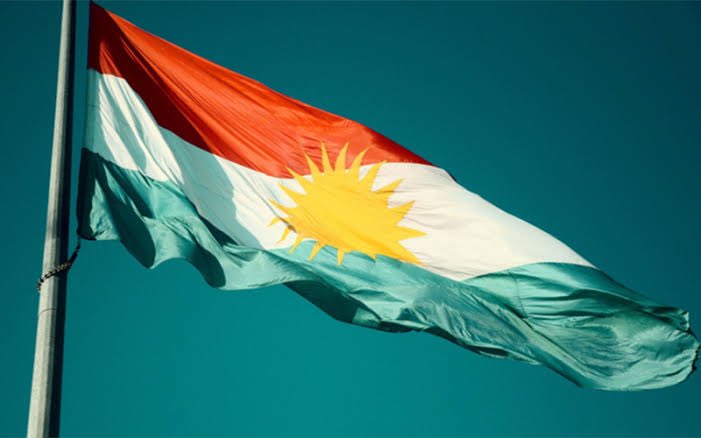
Key Points
- The Kurdish issue in Iran is deeply tied to a century-long struggle for autonomy and recognition.
- The 1946 Republic of Mahabad remains a powerful symbol of both hope and repression in Kurdish collective memory.
- Kurdish political movements have faced repression, exile, and targeted assassinations over decades.
- The slogan “Woman, Life, Freedom” has transformed Kurdish resistance into a broader democratic movement.
![]()
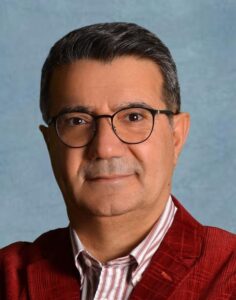
Ihsan Kurt In his analysis published by The SSP, Ihsan Kurt highlights the unique position of Kurds among Iran’s ethnic minorities, emphasizing their territorial roots and long-standing political mobilization. With a population of around 10 million in Iran and part of a broader Kurdish population estimated at 40 million worldwide, Kurds continue to seek recognition of cultural and political rights.
Kurt underlines the symbolic importance of the Republic of Mahabad in 1946, a short-lived Kurdish state supported by the Soviet Union and later suppressed by the Iranian army. This episode remains a defining reference for Kurdish political aspirations and a source of mistrust between Kurdish actors and the Iranian state.
Regional dynamics and democratic aspirations
The article stresses that the Kurdish issue cannot be separated from wider regional developments, including strategic rivalries, control of energy routes, and shifting international alliances. Kurdish political organizations such as PDKI and Komala have historically advocated autonomy and social justice, often facing repression and forced exile.
Kurt also points to the significance of the 2022 protests following the death of Mahsa Jina Amini, a young Kurdish woman. The slogan “Woman, Life, Freedom” became a unifying call for democratic change beyond Kurdish regions.
According to the article, the Kurdish question remains an open and complex issue shaped by security concerns, identity struggles, and geopolitical interests. Kurt concludes that without a credible political solution addressing Kurdish rights, achieving sustainable peace and democratic transformation in Iran and the wider Middle East will remain difficult.


