




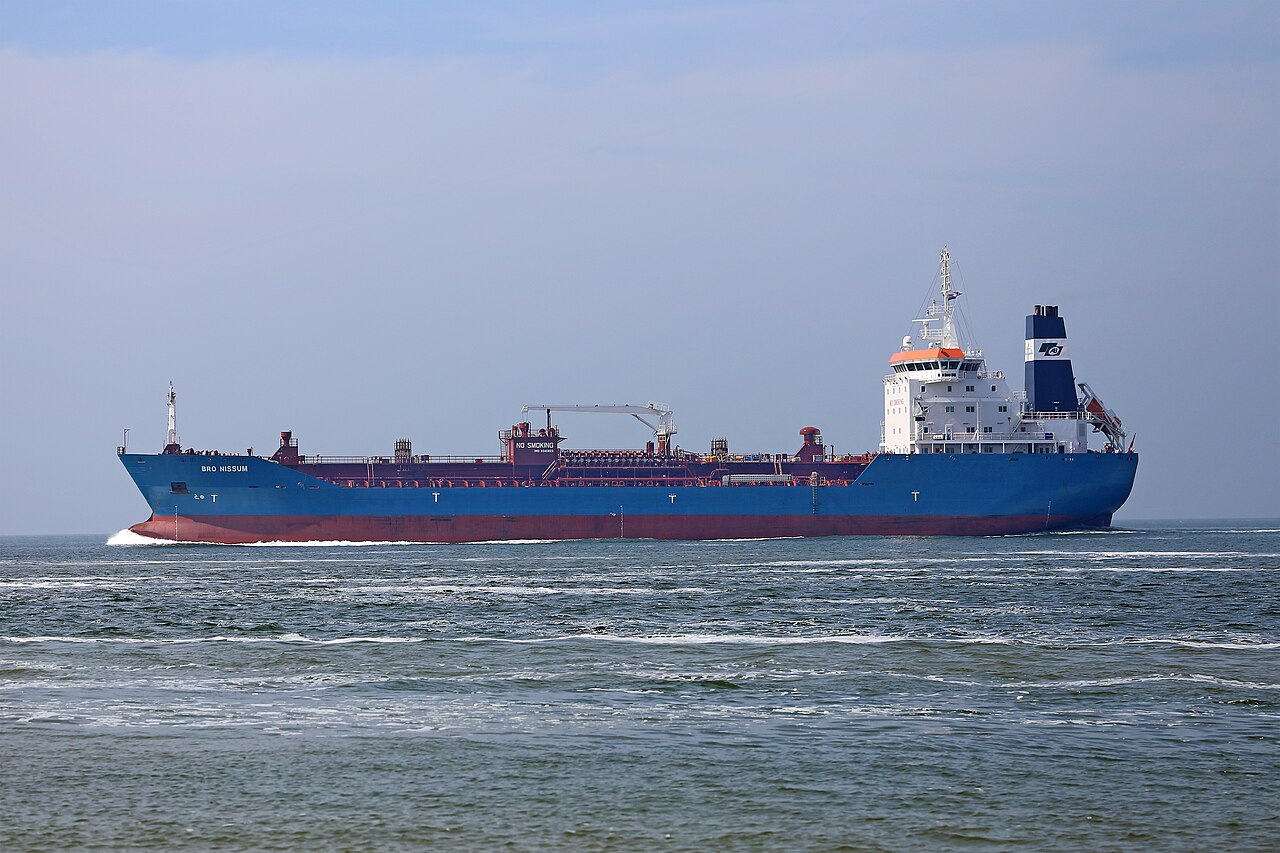
Several cargo vessels were struck by unidentified projectiles in the Strait of Hormuz on Wednesday, escalating tensions in the strategic waterway as Iran warned that ships linked to the United States, Israel, or their allies could become targets.
According to the United Kingdom Maritime Trade Operations, at least three ships were hit near the strait. One vessel caught fire after being struck by an unknown projectile, forcing crew members to evacuate and request assistance. No casualties have been reported so far.
Maritime security agencies said a Thailand-flagged bulk carrier, Mayuree Naree, was attacked off the coast of Oman. Twenty crew members were rescued by the Omani navy while efforts continued to recover three remaining sailors. A Japan-flagged container ship was also damaged near the United Arab Emirates, though its crew was unharmed and the vessel headed to a safe anchorage. A Marshall Islands-flagged bulk carrier sustained minor damage in another projectile strike.
The incidents came hours after Iran’s military command, Khatam al-Anbiya Central Headquarters, warned that ships belonging to the United States, Israel or their partners would be considered “legitimate targets” in the waterway. The statement added that Iranian forces would not allow “a single liter of oil” to pass through the strait.

Earlier this week, the United States military said it had destroyed multiple Iranian naval vessels, including mine-laying boats, near the strategic passage.
Why the Strait of Hormuz Matters
The Strait of Hormuz is one of the world’s most critical energy corridors. At its narrowest point it is only about 33 kilometers wide, yet roughly 20% of global oil shipments pass through it every day from Gulf producers to international markets. Any disruption—whether attacks on ships or a blockade—can quickly affect global oil prices, energy supplies, and international trade. Because of this, military tensions in the strait are closely watched by governments and markets worldwide.

