




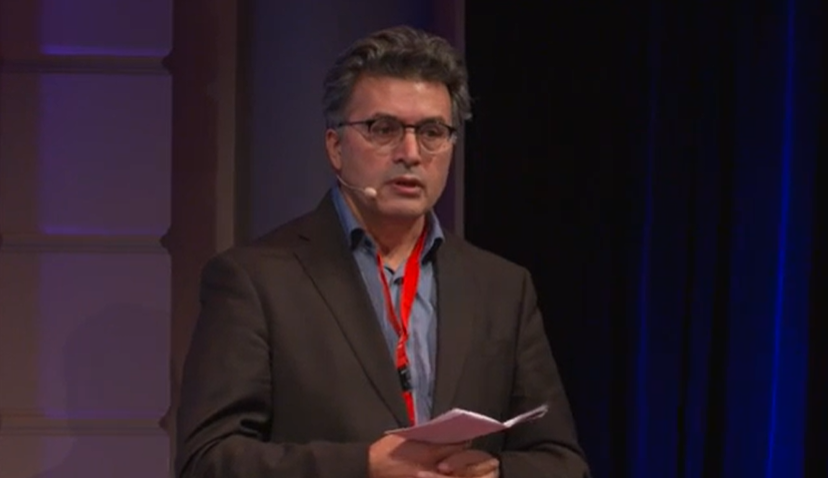
According to Jan Ilhan Kizilhan, Kurdish society is confronting a critical period marked by uncertainty following the reported dissolution of the PKK after five decades of conflict. The author suggests that the shift signals recognition that armed struggle has reached its limits, yet the absence of a clearly articulated political vision has created confusion about future direction, identity, and strategy.
The article notes that many Kurds see the move away from armed confrontation as a possible opening toward peace. However, skepticism persists due to longstanding tensions between Kurdish political actors and the Turkish state, which historically denied Kurdish cultural and political recognition.
Absence of intellectual leadership
Published by the Rudaw Media Network, the analysis highlights what it describes as a noticeable silence among Kurdish intellectuals during a crucial political transformation. Instead of contributing structured ideas for the future, debates are often confined to social media exchanges marked by polarization and ideological rigidity.
The author argues that intellectuals have historically played an important role in resisting repression and preserving cultural identity. Yet current circumstances require more than resistance: they require constructive thinking capable of addressing internal challenges, ideological divisions, and the need for long-term strategy.
Regional changes increase strategic importance
The article situates the Kurdish question within broader geopolitical shifts across the Middle East, including developments in Iran and Syria. These changes, it argues, are contributing to the emergence of new political realities that may reshape the position of Kurds across several states.
Rather than viewing the Kurdish question solely as a security issue, the author frames it as a broader societal challenge linked to pluralism, democracy, and cultural diversity. The evolving regional order presents both risks and opportunities that require careful intellectual engagement.
Call for new thinking beyond ideology
Jan Ilhan Kizilhan concludes that Kurdish intellectuals should act as independent mediators capable of encouraging dialogue beyond political factions. Drawing inspiration from critical thinkers, the article emphasizes the need for new political and social concepts, including decentralized governance, cultural autonomy, and inclusive education models.
As highlighted in the article trajectory of the Kurdish question may depend not only on political actors but also on the willingness of intellectuals to develop new perspectives capable of transforming a legacy shaped by conflict into one oriented toward democratic innovation.

