




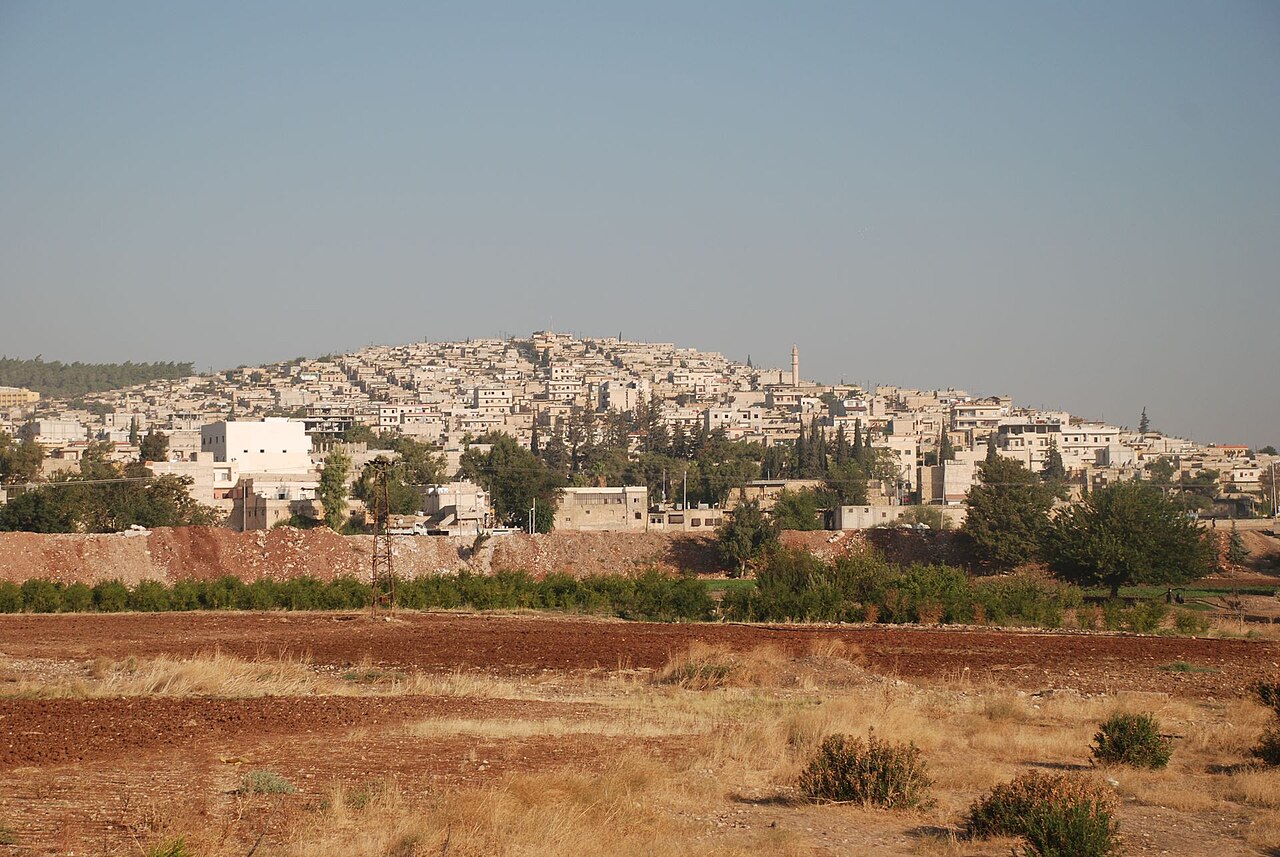
Eight years after Turkey’s 2018 military offensive in Afrin, northwestern Syria, tens of thousands of displaced Kurdish residents remain unable to return home, amid continued instability, reported violations, and lasting demographic changes.
On March 18, 2018, Turkish forces and allied Syrian factions took control of Afrin following clashes with Kurdish forces. The operation, known as Operation Olive Branch, resulted in the mass displacement of Kurdish civilians, many of whom fled to areas such as Shahba and cities in northeastern Syria, including Qamishli and Hasakah.
Today, Afrin remains a powerful symbol of unresolved displacement, with thousands still waiting for safe conditions to return.
Displacement and humanitarian struggles
Since 2018, displaced residents have repeatedly called for a safe and dignified return. However, conditions have remained unstable, preventing large-scale repatriation.
Many displaced families have faced repeated displacement. Those who initially sought refuge in Shahba were forced to flee again due to renewed hostilities, with new waves arriving in northeastern Syria in early 2026.
Living conditions for displaced populations remain difficult, with limited access to essential services and infrastructure strained by ongoing conflict.

Widespread violations
Local sources and human rights organizations have documented widespread violations in Afrin since the takeover. These include property seizures, arbitrary arrests, and restrictions on residents.
Reports have also pointed to looting, kidnappings, and the destruction of cultural and religious sites. During the initial offensive, hundreds of civilians were reportedly killed, and allegations of indiscriminate shelling and other abuses were recorded.
Despite ongoing calls for accountability, there has been little progress in addressing these violations.
Demographic change and resource exploitation
One of the most significant consequences of the occupation has been a shift in Afrin’s demographic composition. New families have been settled in homes belonging to displaced Kurdish residents.
Reports also indicate that private property, including houses and agricultural land, has been seized or looted. The resettlement of populations into formerly Kurdish-majority areas has raised concerns about long-term demographic engineering.
Assimilation policies and cultural impact
Observers and local groups have raised concerns about cultural and social changes in Afrin since 2018. These include the erosion of local identity and changes affecting the region’s cultural and linguistic character.
The destruction of cultural and religious sites has further deepened concerns about the long-term impact on Afrin’s heritage.
Prospects for return remain uncertain
A January 29, 2026 agreement between the Syrian Democratic Forces and the Syrian transitional government has been viewed as a potential step toward resolving displacement. The deal envisions returns under joint supervision, with guarantees for safety, property protection, and compensation.
While the return of a limited number of families marks some progress, observers stress that large-scale return depends on security guarantees, reconstruction, and sustained political cooperation.
For now, the majority of Afrin’s displaced population remains unable to return, underscoring the ongoing humanitarian and political challenges eight years after the operation.

