




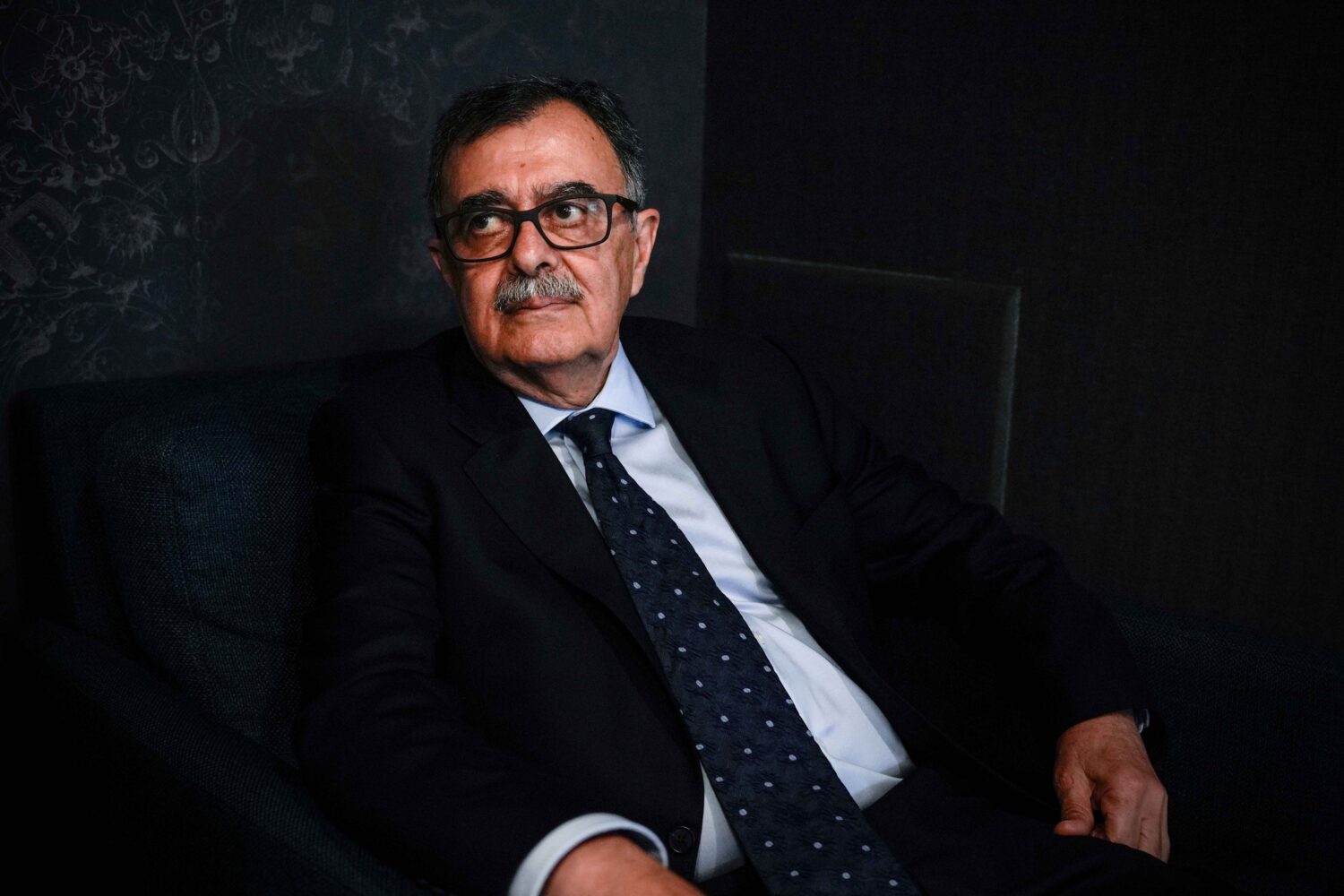
Speaking to journalist François Picard on the programme Tête-à-Tête on France 24, Abdullah Mohtadi, the secretary-general of the Komala Party, argued that Kurdish regions could become the turning point in Iran’s ongoing crisis.
“We are witnessing serious signs of weakness among the security forces,” he said, adding that “tens of thousands” of young Kurds are prepared to take up arms if conditions shift further.
Mohtadi described Kurdish groups as among the most organised opposition forces in Iran, highlighting their role in protests such as the “Woman, Life, Freedom” movement and nationwide strikes.
Regime under pressure
The interview comes after more than two weeks of conflict involving Iran and a US-Israeli military campaign. While the regime remains in place, Mohtadi expressed hope that continued external pressure would weaken security institutions enough to allow an internal uprising.
He described Iran’s leadership as “brutal” and incapable of reform, insisting that only regime change could stabilise the country and the wider region.
No foreign backing—yet
Despite speculation about covert support, Mohtadi denied that Kurdish fighters are currently receiving weapons or funding from foreign powers.
“There has not been serious discussions about that yet,” he said, while expressing hope that the United States might eventually support Kurdish efforts.
He added that Kurdish forces could secure their regions, prevent chaos and “boost morale” across Iran if they gain sufficient backing.

Internal opposition tensions
Mohtadi also addressed criticism from Reza Pahlavi, who has warned against separatism. The Komala leader rejected such claims, insisting Kurdish parties are not seeking independence but rather a democratic, pluralist Iran.
He called for a united opposition front to rebuild the country after any regime change.
Looking ahead
While acknowledging that a full uprising has not yet materialised, Mohtadi suggested that momentum could shift quickly if Iran’s security forces weaken further—potentially “tens of thousands” of young people were ready to take up arms.
“We are ready,” he said, positioning Kurdish groups as key actors in any future transformation of Iran.

