




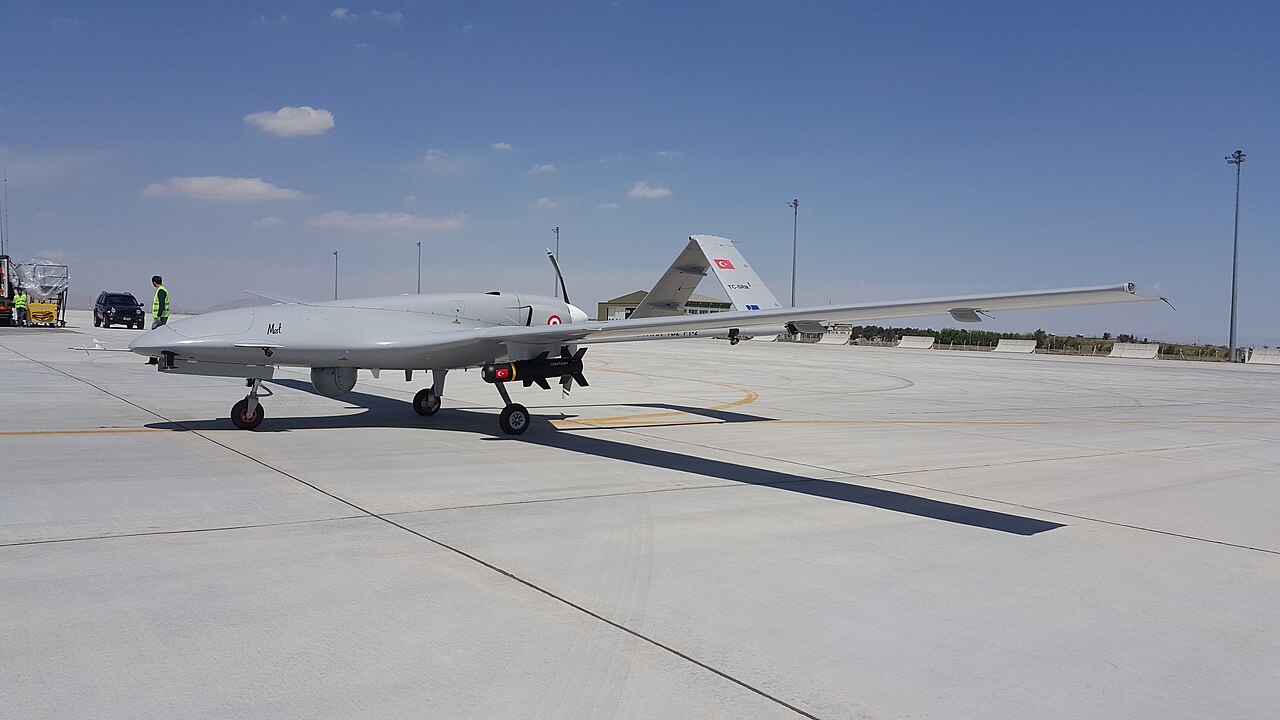
An opposition movement in Djibouti has accused the government of President Ismaïl Omar Guelleh of carrying out a drone strike that killed two children in the village of Gagadé, located in the Dikhil district.
According to the Front for the Restoration of Unity and Democracy (FRUD), the strike occurred on March 2, 2026, and targeted a group of children tending goats. The group alleges that a Turkish-made Bayraktar TB2 drone fired a missile at the children.
FRUD reports that two children from the same family—a boy and a six-year-old girl—were killed in the attack. Four other children were reportedly injured, some seriously. The strike also allegedly killed a significant number of livestock.
Allegations of a pattern of the attacks
FRUD claims the March 2 strike is part of an ongoing campaign of drone attacks against Afar civilians in Djibouti and, in some cases, across the border in Ethiopia.
The group also cited previous incidents, including a December 26, 2024 drone strike in Syarou that allegedly killed three herders, a January 30, 2025 bombing in Ethiopian territory that reportedly left 13 people dead, and a January 13, 2026 attack that allegedly killed one woman and injured others.
FRUD describes these incidents as systematic attacks constituting violations of international humanitarian law. The government has not publicly addressed these specific allegations.

Calls for international attention
In its statement, the Front for the Restoration of Unity and Democracy (FRUD) accused Turkey, as the alleged manufacturer of the drones used, and France, which maintains a military presence in Djibouti, of bearing responsibility. The group called on international and regional bodies to investigate the March 2 incident, describing it as part of repeated violations of international humanitarian law.
Neither Turkey nor France had publicly responded to the allegations at the time of writing, and independent confirmation of the reported strike remains limited.
The Afar Question in Djibouti
The Afar people are one of Djibouti’s main ethnic communities, alongside the Somali Issa. Tensions between the government and the Afar people date back decades.
FRUD emerged in the early 1990s as an armed movement representing Afar grievances. A civil conflict between FRUD and government forces took place during that period, eventually leading to a peace agreement and partial political integration of some factions.
However, divisions persist, and some FRUD factions remain in opposition, alleging political marginalization, economic exclusion, and security abuses targeting Afar communities.

, the Djibouti army targeted a group of children tending goats.)