




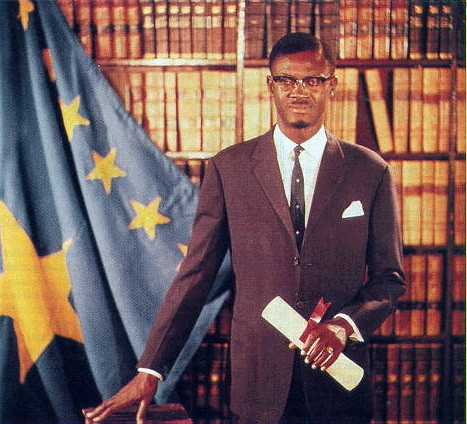
A Belgian court has ruled that a former senior diplomat will face trial over the killing of Patrice Lumumba, marking a significant step in addressing one of Africa’s most controversial political assassinations.
The case centers on the 1961 death of Lumumba, the first prime minister of Democratic Republic of Congo after its independence from Belgium. Prosecutors allege that the accused diplomat, Étienne Davignon, played a role in his unlawful detention and mistreatment. If the trial proceeds, it would be the first criminal prosecution tied to the assassination, long surrounded by allegations of foreign involvement.
The move follows years of pressure from Lumumba’s family and comes decades after a Belgian inquiry acknowledged the country’s moral responsibility in the killing. For relatives, the trial represents a long-awaited opportunity to uncover the truth behind the events.
Who Was Patrice Lumumba?
Patrice Lumumba was a key figure in Congo’s independence movement and became the country’s first prime minister in 1960. Known for his strong anti-colonial stance, he quickly became a symbol of African self-determination during a period of widespread decolonization.
Despite his short time in power, Lumumba’s legacy endured. His assassination in 1961 turned him into an enduring icon of resistance against foreign interference and political oppression, both in Africa and globally.

