






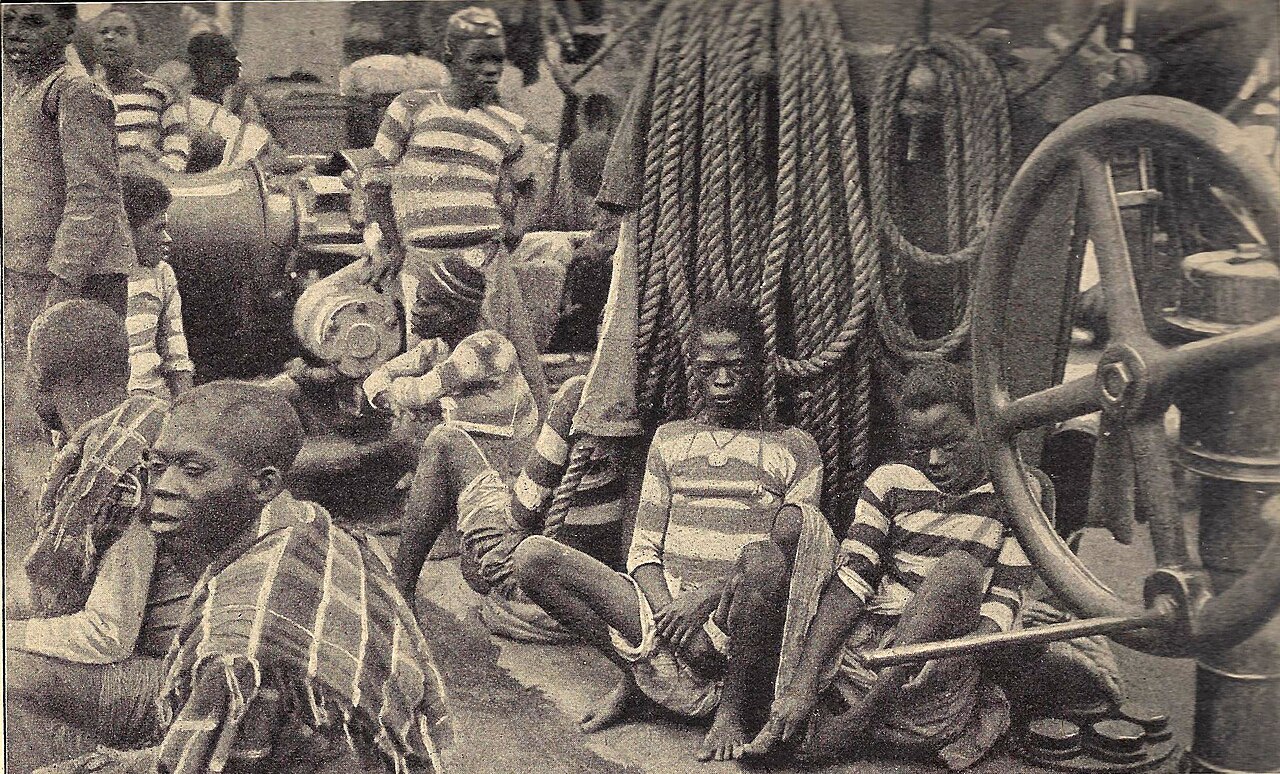
The United Nations General Assembly has adopted a landmark resolution recognising the transatlantic enslavement of Africans as the “gravest crime against humanity,” marking one of the strongest international acknowledgements of slavery’s enduring legacy. Proposed by Ghana and supported by a broad coalition including the African Union and Caribbean states, the decision underscores growing global pressure to confront the historical consequences of slavery.
Although General Assembly resolutions are not legally binding, they carry considerable moral and political weight. Supporters argue the measure strengthens the international case for reparations, formal apologies and policies addressing persistent racial inequalities linked to centuries of exploitation.
Between the 15th and 19th centuries, an estimated 12–15 million Africans were forcibly transported across the Atlantic, with millions dying during the journey or enduring brutal conditions in the Americas. The resolution emphasises that the legacy of slavery continues to shape economic disparities, discrimination and social exclusion affecting people of African descent worldwide.
All European states abstained
Countries commonly described as part of the political West did not unite behind the measure. All European states abstained, with the sole exception of Serbia. In total, 52 countries abstained from the vote.
Only three countries voted against the resolution: the United States, Israel, and Argentina under the government of Javier Milei.
The outcome highlights ongoing geopolitical tensions surrounding historical accountability, interpretations of responsibility, and differing perspectives on how the legacy of slavery should be formally addressed at the international level.
Momentum builds for reparatory justice
The vote revealed persistent divisions among UN member states. While a strong majority backed the resolution, several Western countries abstained and three countries opposed it, reflecting ongoing disagreements over legal responsibility and financial compensation for historical crimes.
Advocates argue the resolution represents a major step toward “reparatory justice,” a concept gaining prominence in international diplomacy. The African Union has increasingly prioritised reparations as part of a broader effort to address structural inequalities rooted in colonialism and slavery. Calls for the return of cultural artefacts taken during colonial rule also form part of this wider push for historical accountability.
Supporters believe the recognition of slavery as a crime of exceptional gravity strengthens global awareness and helps ensure that its consequences are not ignored. By formally acknowledging the scale of injustice, the resolution is seen as laying groundwork for future dialogue on compensation, education initiatives and institutional reforms.
