






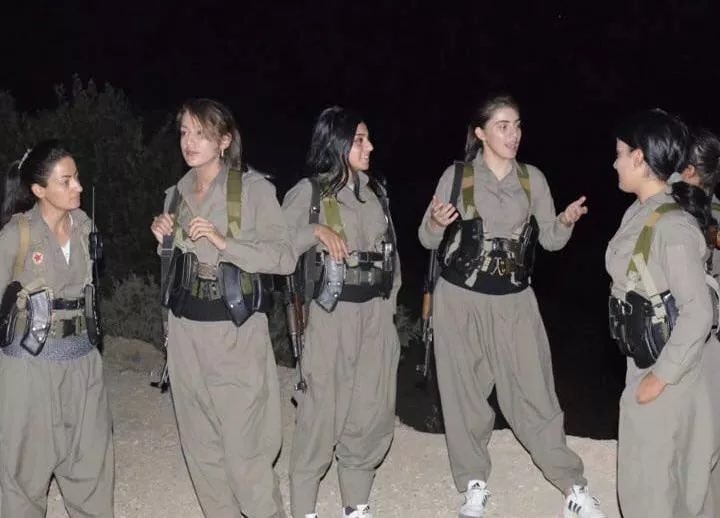
As geopolitical tensions with Iran intensify, Kurdish forces are reportedly being encouraged by the United States and Israel to play a central role in potential efforts to destabilize the Iranian regime. According to the opinion article written by Mem Husedin and Jason Shvili, such a move could position Kurdish groups as key actors on the ground in any attempt at regime change.
However, the writer cautions that Kurdish leaders should approach these overtures carefully, using the moment strategically to advance their long-standing goal of statehood rather than becoming instruments of foreign powers.
A history of missed promises and geopolitical setbacks
The article highlights the historical roots of the Kurdish struggle, pointing to the unfulfilled promise of statehood in the Treaty of Sèvres, which was later overturned by the Treaty of Lausanne under the leadership of Mustafa Kemal Atatürk.
Since then, Kurds have repeatedly aligned with global powers only to be abandoned, including setbacks in 1946, 1975, and more recently in Syria. These experiences, the article argues, reinforce the need for guarantees of independence before engaging in future alliances.
Internal divisions weaken Kurdish position
A major obstacle to Kurdish aspirations remains internal fragmentation. Rival factions such as the PUK and KDP in Iraq, and political divisions in Syria involving groups like the PKK-linked factions, have undermined unified action.
The article notes that recent developments, including the formation of a coalition among Iranian Kurdish factions, could signal a shift toward greater unity. It suggests that broader coordination—including with Kurdish authorities in Iraq and Syria—and the creation of a unified military force could strengthen their position internationally.
Drawing a comparison to the formation of the Israel Defense Forces, the author argues that unity would be key to gaining meaningful global support, particularly from the United States.
A cautious path forward
The opinion concludes that while a Kurdish state may eventually emerge, it will likely depend on strong international backing—especially from Washington. Until then, Kurdish leaders face a critical decision: whether to seize the current geopolitical moment or avoid repeating a cycle of reliance and abandonment.
