






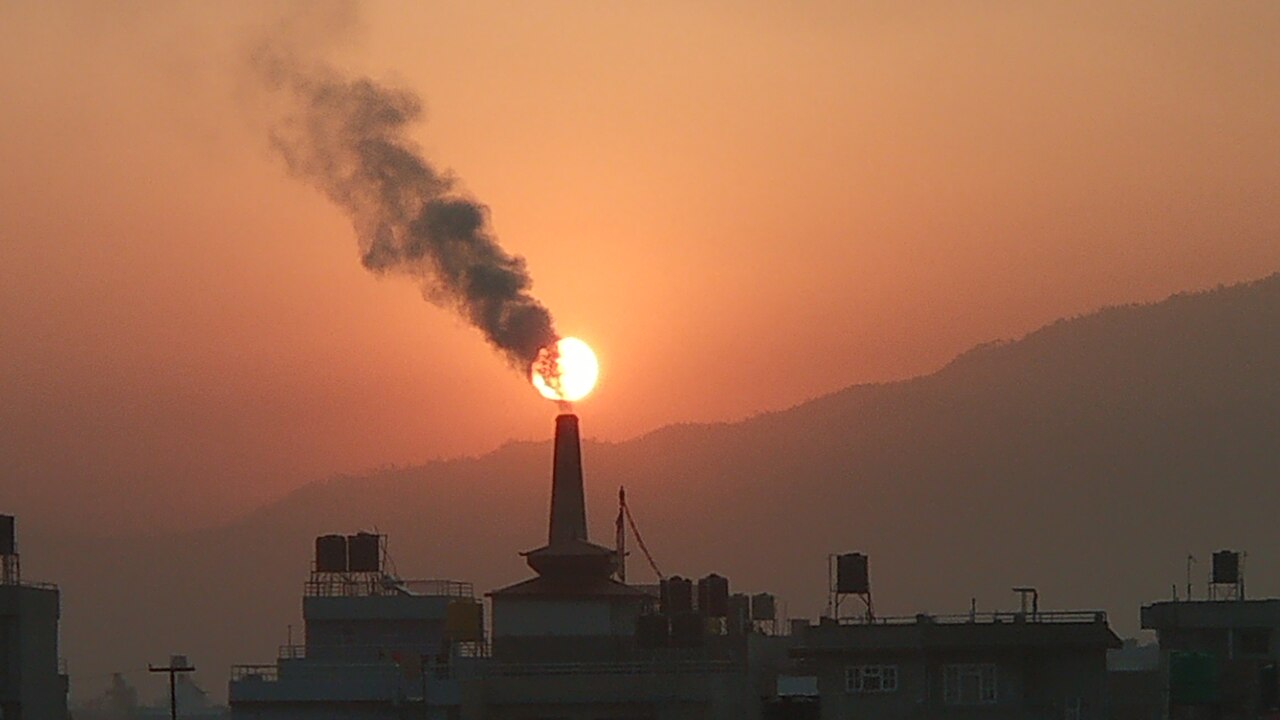
A United Nations expert has warned that air pollution is driving widespread human rights violations and urged governments, businesses, and institutions to take urgent action.
Presenting a report to the UN Human Rights Council in Geneva, Special Rapporteur Astrid Puentes Riaño emphasized that continued inaction on air pollution represents a systemic failure by states to fulfill their legal obligations under international law.
The report stresses that clean air is a fundamental component of the human right to a clean, healthy, and sustainable environment. Yet much of the world’s population still breathes unsafe air because environmental and health protections remain insufficient and economic development is often prioritized over human rights.
According to the World Health Organization, air pollution contributes to approximately 6–8 million premature deaths each year and is associated with 83% of noncommunicable diseases such as heart disease, stroke, cancer, and chronic respiratory illnesses. Research shows that polluted air can damage every organ in the human body and reduce overall quality of life.
The impact is not evenly distributed. Children, women, elderly people, pregnant individuals, outdoor workers, and people with pre-existing health conditions face significantly higher exposure and risks. In many cases, these groups have little choice but to live and work in polluted environments, deepening inequality and discrimination.
Conclusions and recommendations
The report concludes that states have clear responsibilities under international human rights law to prevent foreseeable environmental harm, regulate and monitor polluting activities, and ensure public access to information about air quality risks. Governments must also protect populations that are particularly vulnerable to pollution.
Businesses are also urged to take responsibility by reducing emissions, protecting workers’ health, and conducting thorough human rights and environmental due diligence.
Among the key recommendations are stronger integration of air quality policies with climate and human rights strategies, improved identification of pollution hotspots, and targeted interventions to protect vulnerable communities.
