







Since the war began with Israeli and US strikes inside Iran, the conflict has expanded across the region. Iran and allied groups have launched missile and drone attacks, while Israel has struck targets in Iran and southern Lebanon.
In recent days, energy infrastructure has emerged as a primary target — raising fears of wider economic fallout.
Saudi and Kuwaiti refineries hit
Iranian drones targeted the Ras Tanura refinery in eastern Saudi Arabia, according to the state-run Saudi Press Agency. Air defences intercepted the drones, but debris reportedly caused fires near the facility. The refinery, capable of processing more than 500,000 barrels per day, was temporarily shut down as a precaution.
In Kuwait, debris from intercepted drones fell on the Ahmadi refinery, injuring two workers, the Kuwait News Agency said.
Oil prices climbed to their highest levels since January 2025 as markets reacted.
Qatar halts LNG production
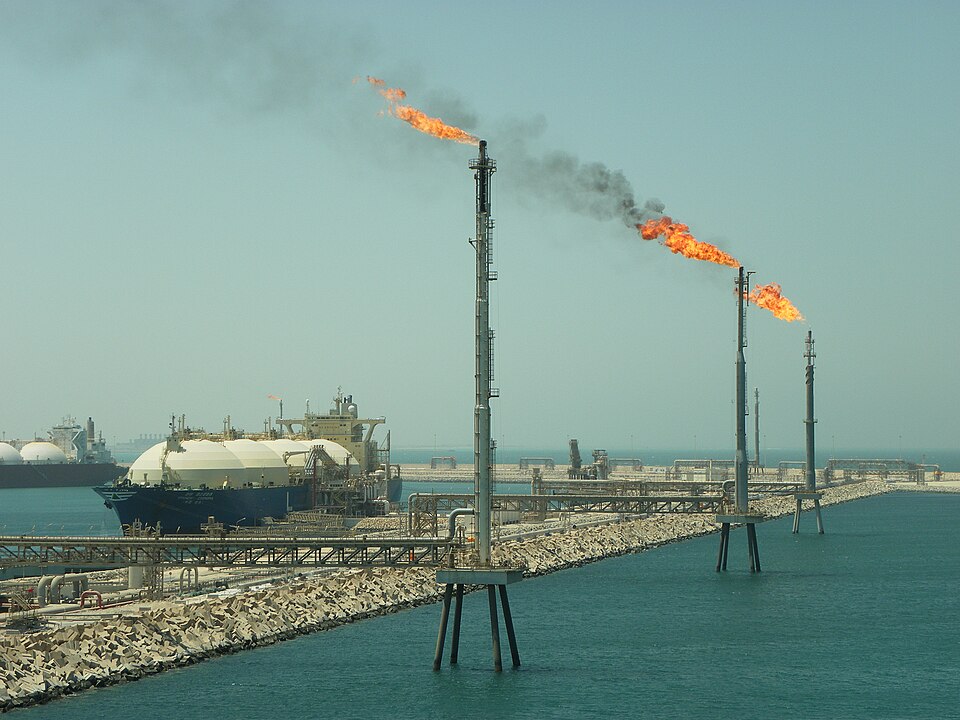
Qatar temporarily suspended LNG production after attacks on facilities in Ras Laffan and Mesaieed operated by QatarEnergy.
Qatar is one of the world’s largest LNG exporters. European benchmark gas futures rose by more than one-third on fears of supply disruption.
The European Commission said it does not expect an immediate impact on the European Union’s energy security.
Strait of Hormuz under threat
The greatest concern for global markets is the Strait of Hormuz, the narrow passageway through which around 20% of the world’s oil supply flows.
At least three oil tankers sailing near the Strait reportedly came under fire. Any prolonged disruption could significantly reduce global supply and drive prices higher.
