






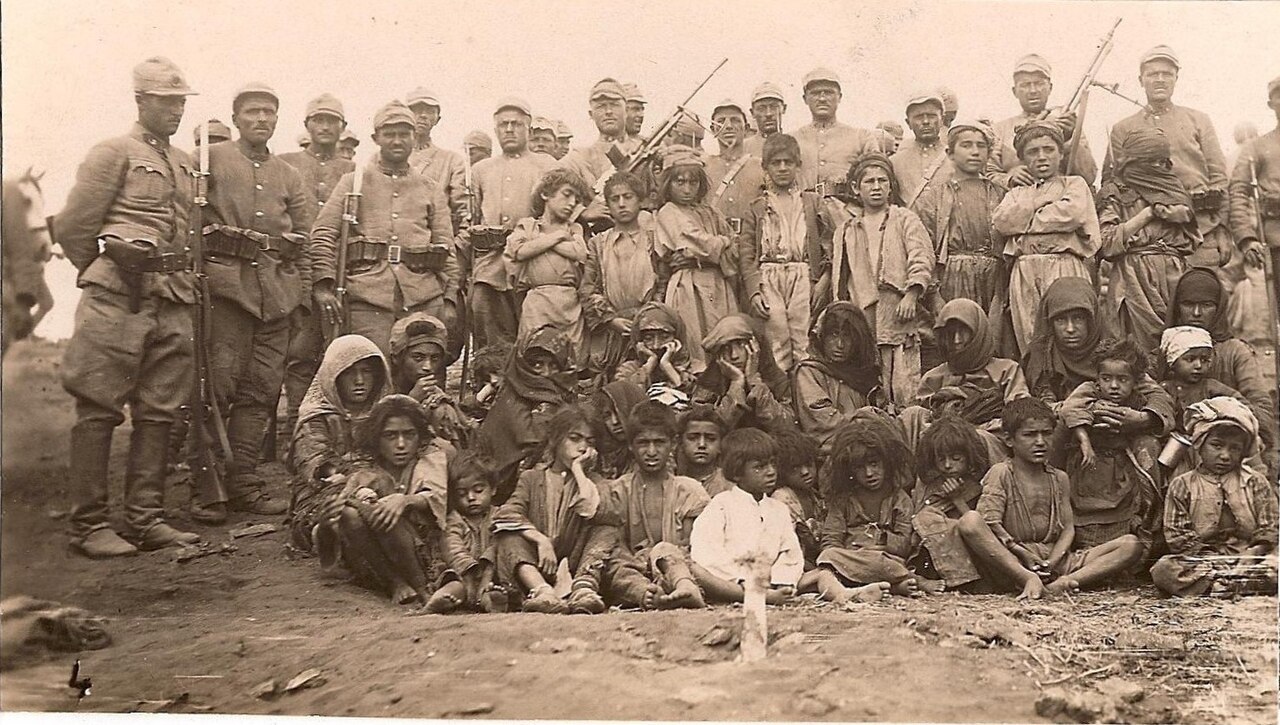
The Dersim Massacre, carried out by the Turkish military in 1937–1938, remains one of the most controversial and painful episodes in modern Turkish and Kurdish history. The operations targeted Kurdish Alevi communities in the Dersim region—renamed Tunceli—resulting in mass killings, forced displacement, and long-term cultural suppression.
Tensions in Dersim predated the violence of the late 1930s. During the Ottoman era, Kurdish tribal groups maintained a degree of autonomy under local chieftains. However, after the establishment of the Republic of Turkey in 1923 under Mustafa Kemal Atatürk, sweeping reforms aimed at centralization and national unity disrupted this structure.

Policies of “Turkification” sought to create a homogeneous national identity, leading to resistance among Kurdish populations. The 1934 Resettlement Law and subsequent Tunceli Law institutionalized forced relocation and tighter state control, particularly in regions like Dersim, which had a long history of rebellion and limited state authority.
From rebellion to military campaign
In 1937, unrest escalated after local leaders protested these policies. Armed clashes followed, prompting a large-scale military response. Turkish forces deployed around 25,000 सैनिक to suppress the rebellion led by tribal figure Seyid Riza.
The campaign unfolded in multiple phases. In September 1937, Seyid Riza was arrested during peace negotiations and later executed along with several associates. Despite this, resistance continued into 1938, leading to intensified military operations.
Air bombardments, village raids, and sweeping campaigns devastated the region. Reports suggest the use of chemical agents and indiscriminate violence against civilians. By late 1938, organized resistance had collapsed, but at enormous human cost.
Mass killings and forced deportations
Estimates of the death toll vary widely. Official Turkish records acknowledge over 13,000 civilian deaths and nearly 12,000 deportations. However, independent historians and Kurdish sources suggest significantly higher figures, ranging from 30,000 to over 60,000.
Eyewitness accounts and later research describe mass executions, the burning of civilians in enclosed spaces, and widespread destruction of villages. Thousands were forcibly relocated to other parts of Turkey, effectively depopulating large areas of Dersim.

Legacy and contested memory
Decades later, the Dersim Massacre continues to shape debates over Kurdish identity, state violence, and historical accountability. In 2011, Turkish President Recep Tayyip Erdoğan publicly apologized, calling the events “one of the most tragic” in the nation’s history and acknowledging that the operation had been systematically planned.
However, interpretations remain deeply divided. Some view the apology as a meaningful step toward reconciliation, while others see it as politically motivated and insufficient without broader recognition or reparations.
Today, Dersim stands as a symbol of the struggle between state authority and ethnic identity, with lasting implications for Kurdish rights and historical memory in Turkey.
